
Fresh Pico De Gallo
Last tested June 2026
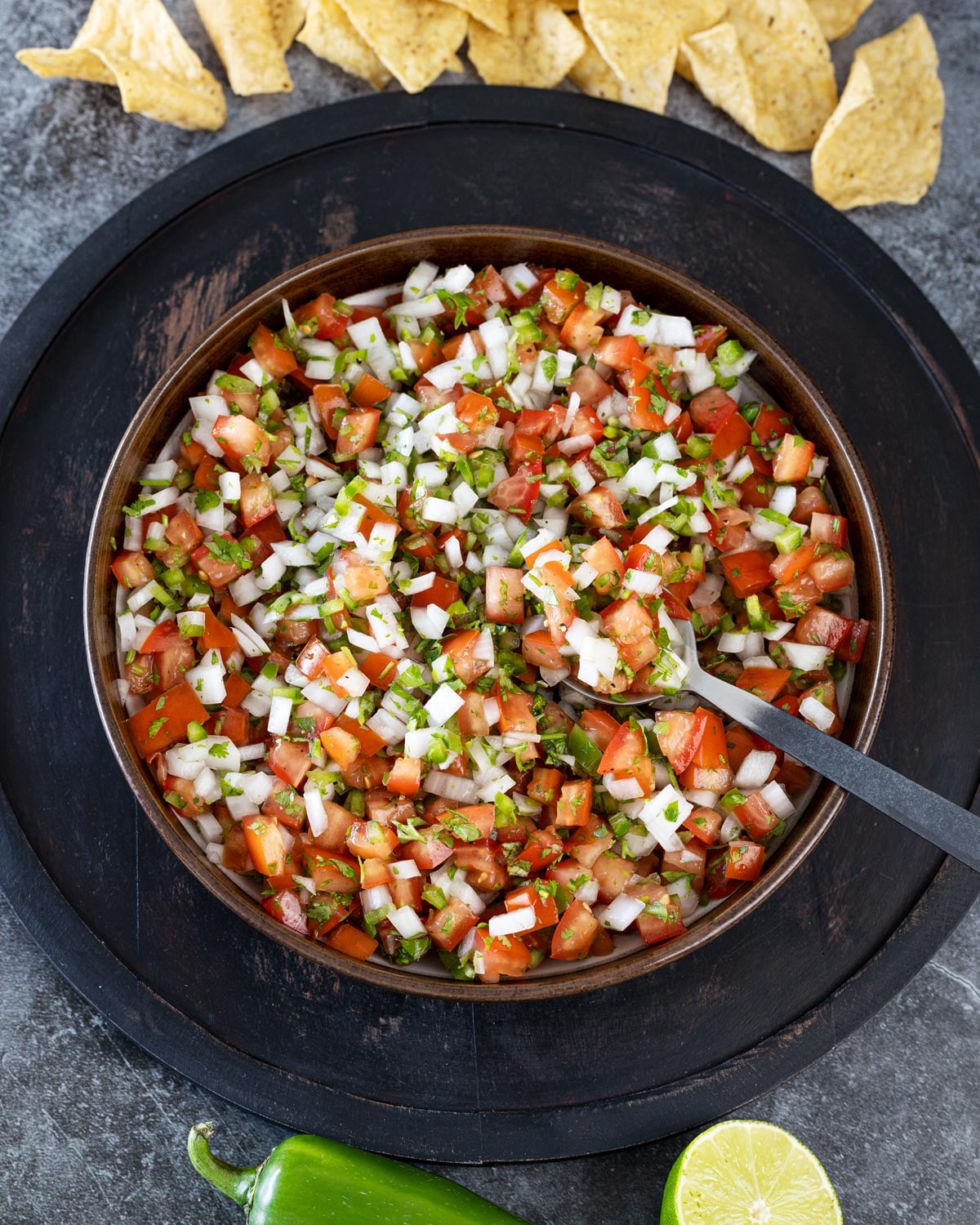
Pico de gallo doesn’t need a long ingredient list or fancy tricks. Just fresh tomatoes, onion, jalapeño, cilantro, lime juice, and a little salt. Ten minutes of chopping is all it takes to make a fresh salsa that’s brighter, crunchier, and far better than anything you’ll find in a jar.
I keep a batch in the fridge most weeks because it works with almost everything. Spoon it over Smashburger Tacos, serve it with Carne Asada Tacos, pile it onto smoked potato skins, or mix it into crema for an easy sauce. Once you get comfortable with the knife work, it’s one of the fastest recipes you’ll make.
Why This Method Works
- The rest period does the real work. Letting the pico sit for at least an hour before serving gives the salt and lime time to draw moisture out of the tomatoes and onion, which mellows the raw bite and knits the flavors together. Skipping the rest means sharp, disconnected ingredients. An hour in, it tastes like one thing.
- Removing the tomato seeds keeps it from turning watery. Roma tomatoes are already low in moisture, but pulling the seeds and core before dicing cuts out the extra liquid that would otherwise pool at the bottom of the bowl and dilute the whole batch.
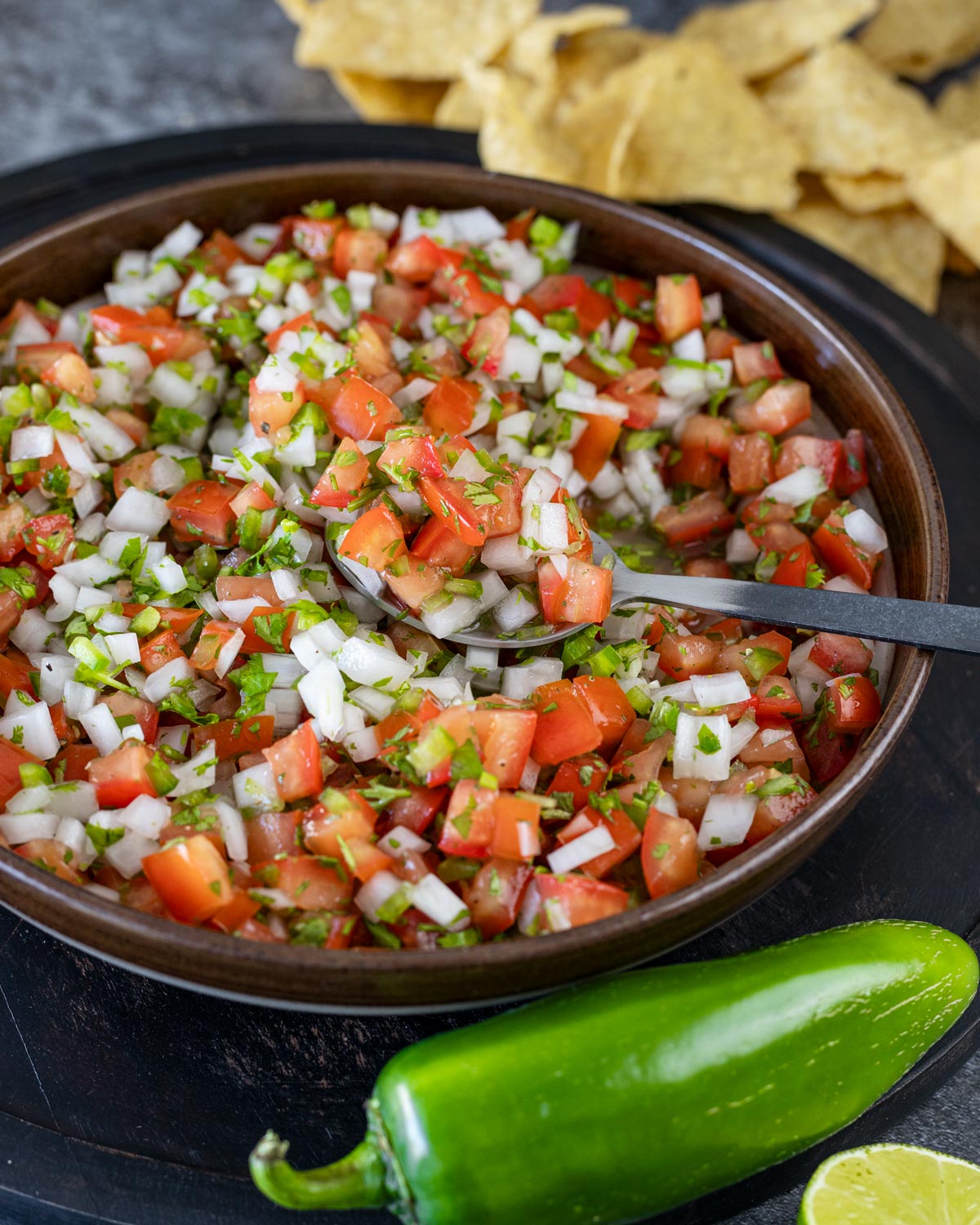
- Dice size controls how it eats. Tomatoes go large, onion medium, jalapeño fine. That hierarchy means every bite has a chunk of tomato anchoring it, with the other flavors distributed evenly rather than piling up in a single spoonful.
Key Ingredients
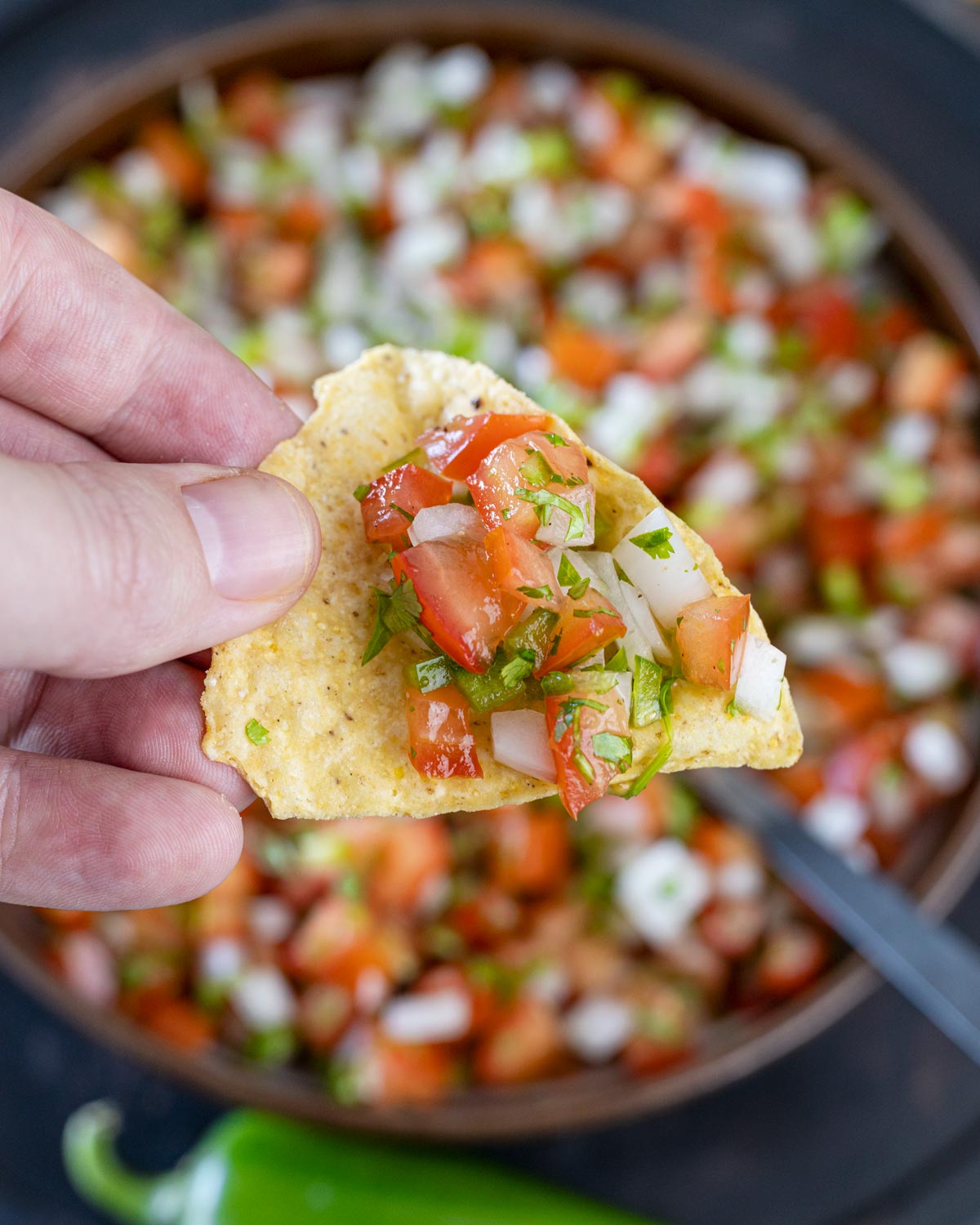
- Roma tomatoes. Lower moisture and meatier flesh than slicing tomatoes. They hold their shape after dicing and don’t turn the pico into soup. About 8 romas gets you 2½ cups diced.
- White onion. Sharp and assertive raw, which is exactly what you want here. Red onion works as a swap if you want a milder, slightly sweeter bite.
- Jalapeño. The baseline heat source. Two jalapeños with seeds removed land in the medium range, but taste yours first, because heat varies a lot. For a step up in heat, swap in a serrano; see the Serrano Pepper guide for how the two compare and how to adjust the quantity.
- Cilantro. Half a cup, loosely packed and finely chopped. If you’re feeding a crowd, pull it out and serve on the side so people can add their own.
- Fresh lime juice. Two limes. No bottled juice. The brightness in fresh lime is what lifts the whole thing.
- Kosher Salt. Start with ½ teaspoon and adjust after the rest period, when the tomato juices have released, and you can taste the actual balance.
How to Make Fresh Pico de Gallo
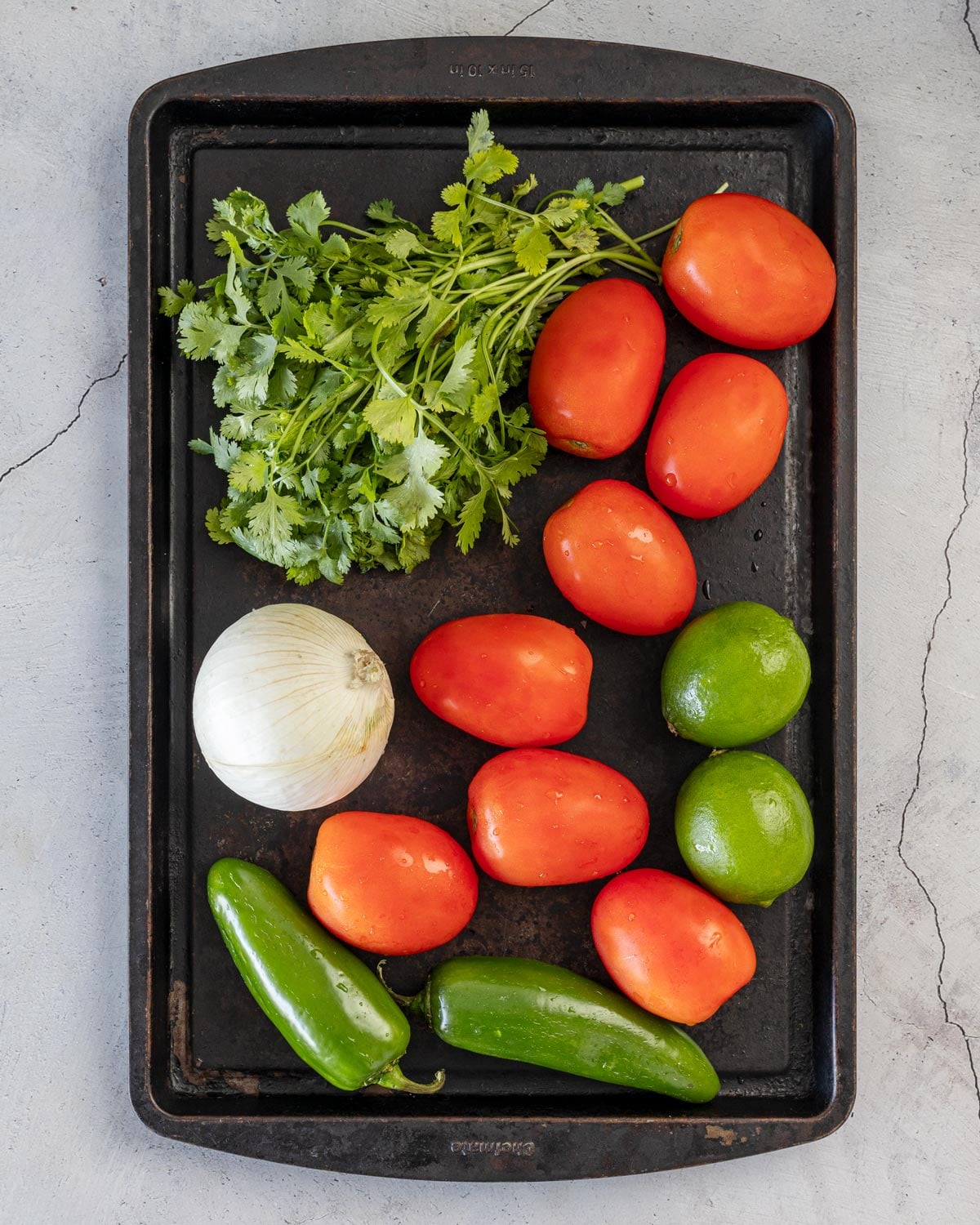
Step 1: Prep the tomatoes
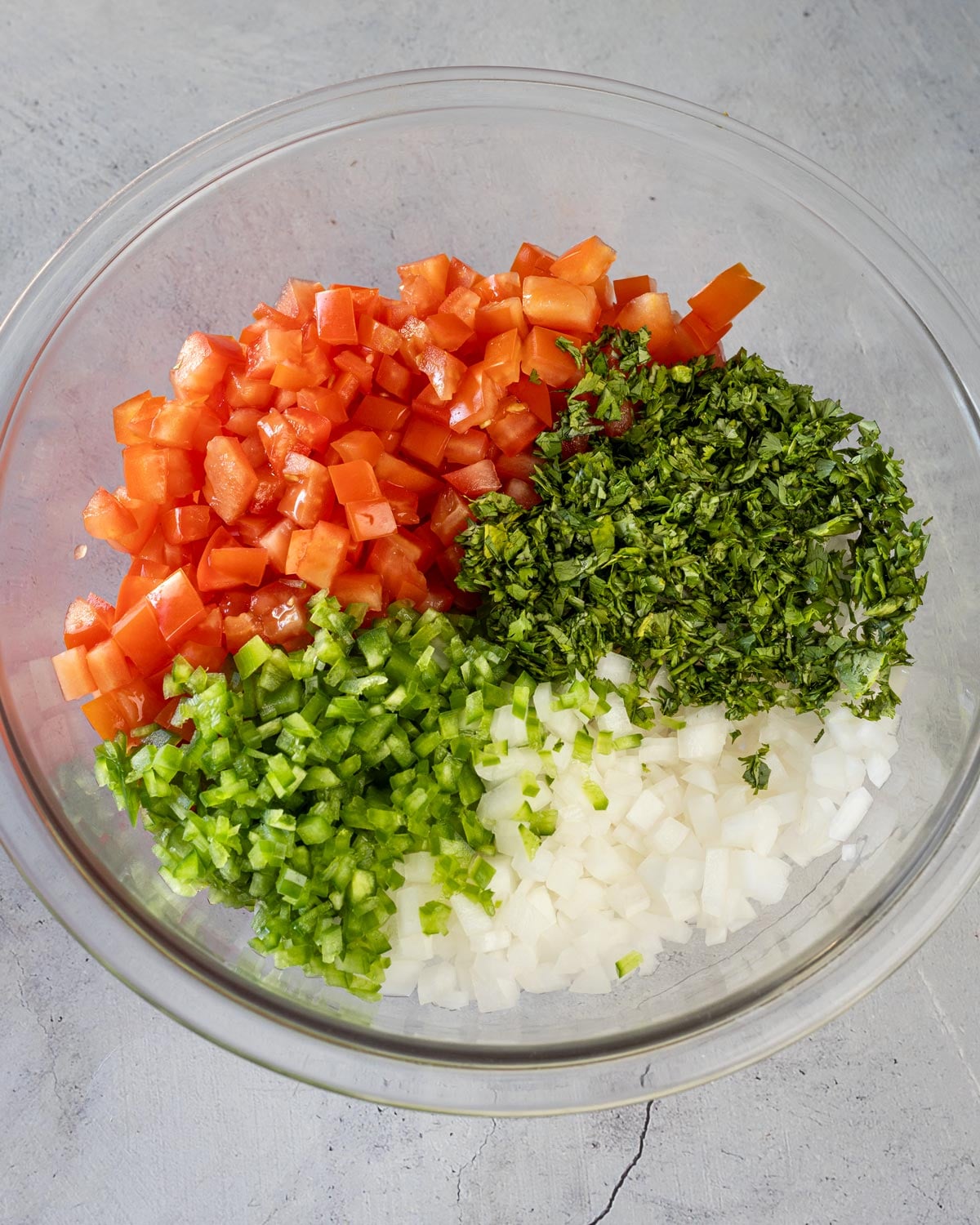
Cut the tomatoes in half lengthwise and scoop out the seeds and core with a spoon or your thumb. Dice into roughly ½-inch pieces. This is the largest dice in the bowl, so don’t go too small. You want the tomato to anchor each bite.
Step 2: Dice the onion and jalapeño
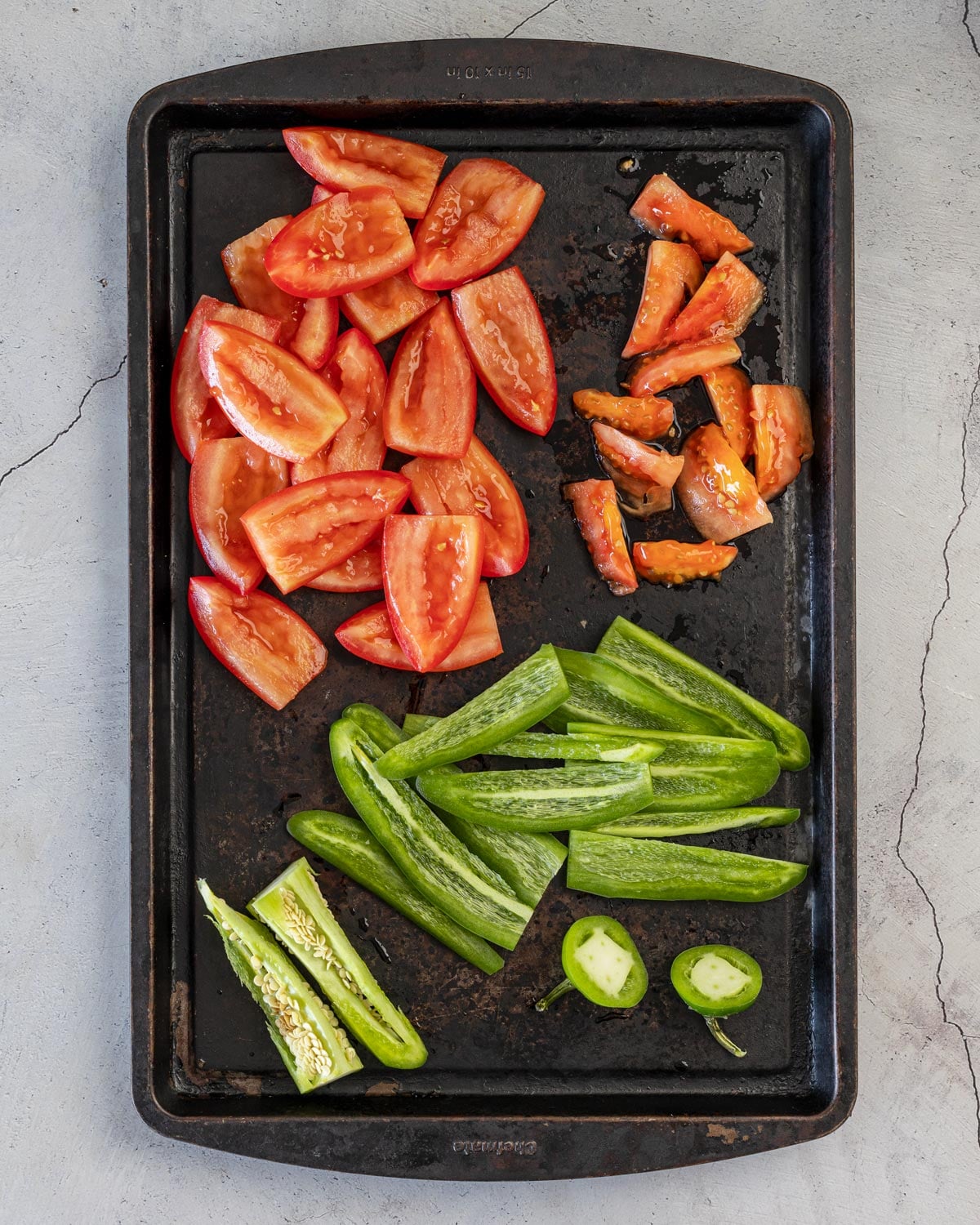
Cut the onion into a medium dice, slightly smaller than the tomato. For the jalapeño, remove the seeds and ribs, then mince fine. The jalapeño heat is already doing a lot of work, so keeping the pieces small means it distributes evenly rather than delivering a hot bite to one unlucky person.
Step 3: Combine and season
Add everything to a bowl: tomatoes, onion, jalapeño, cilantro, and lime juice. Season with salt, then stir to combine. Don’t over-mix. You want the ingredients to stay distinct rather than breaking down into mush.
Step 4: Rest before serving
Cover the bowl and let the pico sit at room temperature for at least an hour. The salt draws moisture from the vegetables, the lime starts to soften the raw edges of the onion, and everything comes together. Taste again before serving and adjust salt if needed.
Step 5: Serve with a slotted spoon
There will be liquid at the bottom of the bowl. That’s normal and it means the rest worked. Use a slotted spoon to serve so you’re getting vegetables, not tomato juice. Don’t throw the liquid out. It’s acidic and bright, and a splash of it works the same way a squeeze of lime does: good in rice, in a michelada, or in soups.
How to Kick Up the Heat
The baseline recipe with two seeded jalapeños is medium heat. A few ways to go hotter:
Swap in serrano peppers. A serrano runs 3 to 5 times hotter than a jalapeño and brings a brighter, grassier heat without fruitiness. Use one serrano in place of two jalapeños to start, taste, and add from there.
Leave the seeds in. If your jalapeños are already hot, just skip seeding them. The seeds and inner ribs hold most of the capsaicin.
Add a habanero. Mince a small piece (not the whole pepper) and stir it in. Swap a portion of the lime juice for orange juice to complement the fruity heat.
Variations
- Swap the white onion for red onion for a sharper, slightly more pungent bite and a pop of color.
- Add diced avocado right before serving.
- Use Hatch chiles to make a Hatch chile pico de gallo.
- Stir in grilled corn for sweetness and texture.
- Fold in diced mango or pineapple for a fruit version that works well with fish tacos.
- Add Quick Pickled Jalapeños in place of fresh for a briny, smoky version.
What to Serve with Pico de Gallo
Chips are the obvious answer, but pico de gallo earns a spot on a lot more than that. It works anywhere you want fresh acid, crunch, and heat without adding a cooked component:
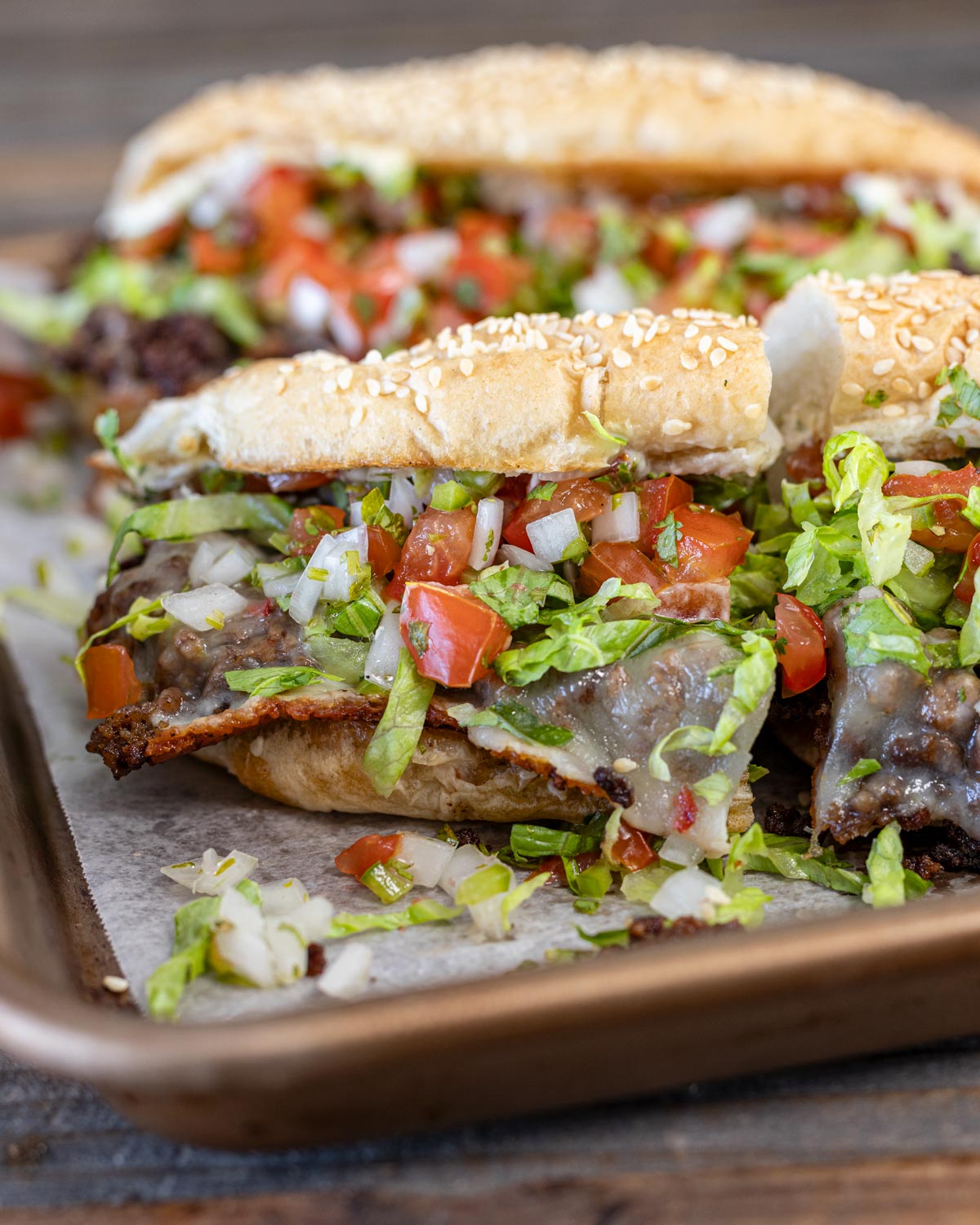
- On a Mexican Chopped Cheese Sandwich (pictured above)
- Topping for Carne Asada Tacos
- Spooned over Smashburger Tacos
- On Smoked Potato Skins
- Stirred into sour cream or crema (drain the liquid first or the crema goes thin)
- On top of Sonoran Hot Dogs
- On steak and eggs
- Alongside Grilled Poblano Broccoli Cheese Soup
- Stirred into Smoked Brisket Chili just before serving for a fresh contrast
Make-Ahead and Storage
Pico de gallo keeps well covered in the refrigerator for up to 3 days. The texture softens a bit on day 2 and beyond, but the flavor actually improves as everything continues to meld. Drain off excess liquid before serving from the fridge if it’s pooled significantly.
Don’t freeze it. The tomatoes turn to mush and the cilantro goes dark.
One thing worth knowing: the pico will taste better at room temperature than straight from the fridge. Pull it out 20 to 30 minutes before serving.
Frequently Asked Questions
Pico de gallo is a raw, chunky salsa made from diced fresh vegetables with very little liquid. Most salsas are blended or cooked, which gives them a smoother texture and more concentrated flavor. Pico de gallo is also called salsa fresca or salsa cruda, and all three names refer to the same preparation. It’s used as a topping or garnish more than a dip.
Yes. At least an hour at room temperature. The salt pulls moisture from the vegetables and the lime softens the raw edge of the onion and jalapeño. Serve it fresh out of the bowl and it tastes like a pile of separate raw ingredients. Let it rest and it tastes like one cohesive thing.
Roma tomatoes. They’re meaty, low in moisture, and hold their shape after dicing. A beefsteak or heirloom tomato works in a pinch but releases more juice and makes for a wetter pico. Whatever variety you use, make sure to remove the seeds and inner pulp before dicing.
Not safely using a standard water bath canner. Fresh pico has a low enough acid level that it requires a pressure canner to reach safe temperatures, and the texture of the tomatoes and onion doesn’t hold up well through the process anyway. If you want a shelf-stable version, a cooked salsa with tested ratios and a proper canning recipe is the better route.
No. The tomatoes turn to mush when they thaw and the cilantro goes dark and slimy. Pico de gallo is a fresh preparation and doesn’t survive freezing. Make only what you’ll use within 3 days and keep it refrigerated.
More Salsa and Condiment Recipes
- Pickle De Gallo: the same pico framework built on pickled vegetables instead of fresh; it keeps longer and has more acidity.
- Roasted Hatch Chile Salsa Verde: fire-roasted green chiles blended with tomatillos; the right move when you want something with more smoke and depth.
- Smoked Pickled Jalapeños: smoke the jalapeños before brining and you get a condiment that works on everything.
- Campechana, Grilled Mexican Shrimp Cocktail: pico de gallo is one of the base layers in this; having a batch ready makes it fast.
Try It and Tag Us
Make a batch this week and keep it in the fridge. You’ll find something to put it on every day. Tag us on Instagram when you do. Leave a rating below if this helped.

Fresh Pico De Gallo
Five ingredients, one bowl, and 10 minutes of knife work. This is the pico de gallo you will keep making every week.
- Total Time: 10 minutes
- Yield: About 3 Cups 1x
Ingredients
- 2½ cups diced Roma tomatoes, seeds removed (about 8 Roma tomatoes)
- 1 white onion, diced
- 2 jalapeños, seeds and ribs removed, minced
- ½ cup cilantro, finely chopped
- Juice of 2 limes
- Salt to taste (start with ½ teaspoon)
Instructions
- Dice all of your ingredients. Remove the seeds and cores from the tomatoes. Try to dice everything into even sizes. The tomatoes will be the largest dice, the onion smaller, and the jalapeños the smallest.
- Add all of the ingredients to a bowl and give them a stir. Allow the pico to rest for at least an hour before serving so the lime and salt can permeate everything and mellow the onion and jalapeño.
- Taste before serving. As the juices release from the tomatoes and chiles, you may need a little additional salt.
- Serve with a slotted spoon so you get all of the fresh vegetables without the excess liquid.
Notes
- Always allow your pico de gallo to rest before serving it. This will allow the lime and salt to work their magic and mellow the onion and jalapeno while marrying all of the flavors.
- Pull it out of the fridge 20 to 30 minutes before serving for best flavor.
- Serve with a slotted spoon to drain excess liquid.
- Prep Time: 10 minutes
- Category: Sauces & Salsas
- Method: Chopping
- Cuisine: Mexican
Nutrition
- Serving Size: 2 tablespoons
- Calories: 16
- Sugar: 2 g
- Sodium: 196.7 mg
- Fat: 0.1 g
- Carbohydrates: 3.7 g
- Protein: 0.6 g
- Cholesterol: 0 mg

Brad Prose has been crafting recipes over live fire for 20 years. He’s the author of two cookbooks, Chiles and Smoke and Epic BBQ Sandwiches, and the creator of the original smash burger taco, as credited by the Washington Post, TODAY Show, Good Morning America, and Food Network. Brad is the force behind Chiles and Smoke, the home of Sonoran BBQ: bold flavors built around chiles, smoke, and the traditions of the American Southwest. Follow along on Instagram, YouTube, and Facebook.


