
Hatch Chiles
Last updated June 2026
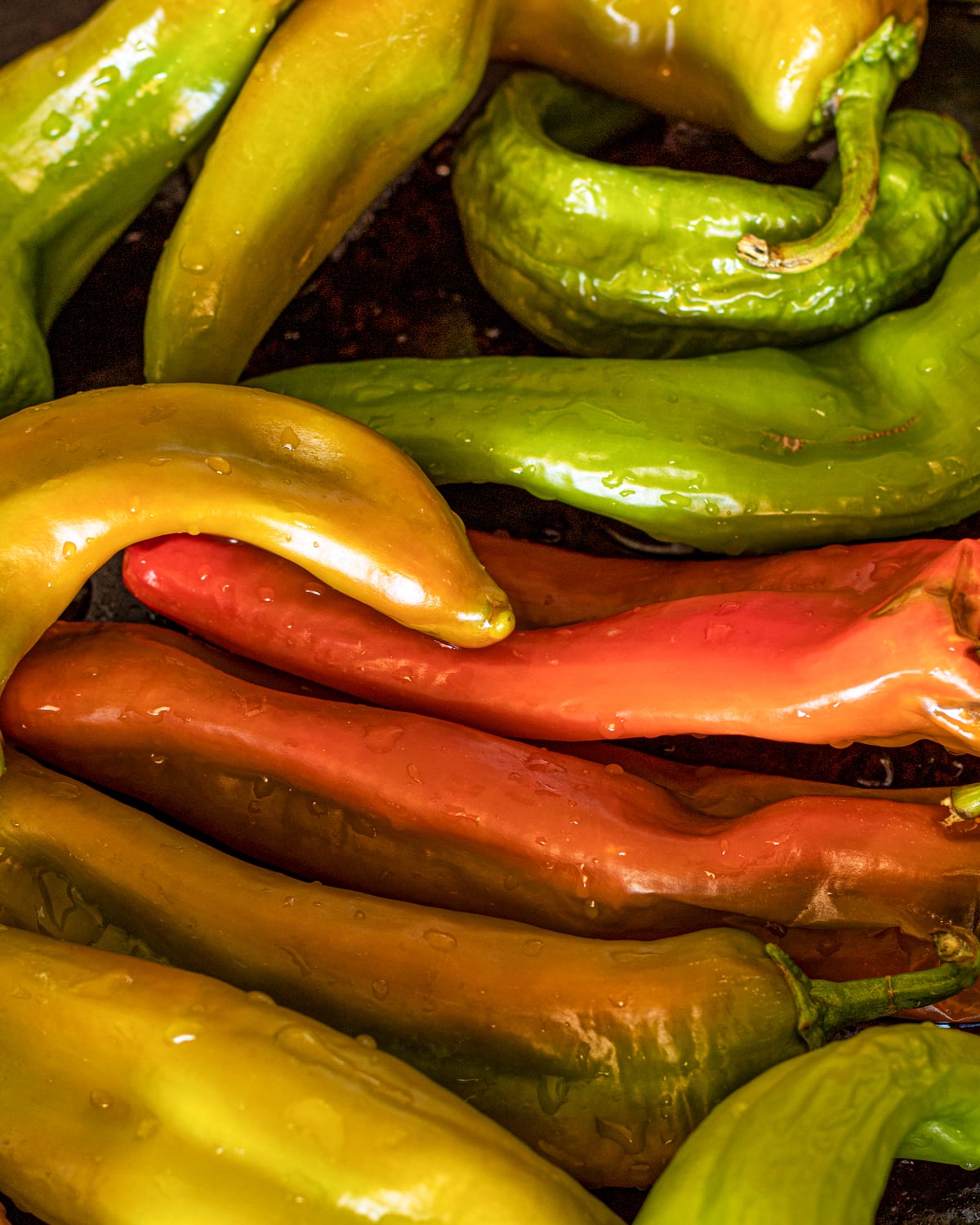
Hatch chiles are grown exclusively in the Hatch Valley of New Mexico, and no other green chile tastes like them. The flesh roasts up rich and buttery with an earthy depth that comes from the valley’s soil, elevation, and dry summer heat. They are only available fresh from late July through September, and that short window is exactly why they are worth knowing.
I plan my cooking calendar around Hatch season. When the first shipments land, I buy by the case, roast everything over charcoal, and fill the freezer so I have Hatch chiles through winter. No other green chile comes close to what a charcoal-roasted Hatch brings to a burger, a queso, or a salsa verde.
Hatch Chiles At a Glance
|
Heat Level |
|
|
Scoville Range |
1,000–8,000 SHU |
|
Compared To |
Mild end matches Anaheim; hot end matches jalapeño |
|
Flavor Profile |
Earthy, buttery when roasted, slightly sweet when red |
|
Common Forms |
Fresh (seasonal), roasted, frozen |
|
Color When Ripe |
Green to red |
|
Season |
Late July through September |
|
Best Substitute |
Anaheim chile |
What Is a Hatch Chile?
A Hatch chile is a New Mexico green chile grown in the Hatch Valley, a stretch of land along the Rio Grande in southern New Mexico. The valley sits at roughly 4,000 feet of elevation, with alkaline soil, intense summer sun, and cool nights. Those conditions give the chile a specific flavor profile that has made it one of the most sought-after regional ingredients in American cooking.
The name is geographic, not varietal. Several chile varieties are grown in the Hatch Valley, including Big Jim, Sandia, and NuMex Heritage 6-4, and all of them qualify as Hatch chiles as long as they are grown in that specific region.
A chile from the same seed planted outside the valley will not taste the same, for the same reason that wine grapes from different regions produce different wines despite sharing genetics.
One comparison worth knowing: Hatch chiles and Anaheim chiles are related, and Anaheim is often sold as a substitute in areas where Hatch is not available. They are similar in appearance and flavor profile, but Hatch chiles have more complexity and typically more heat, especially the red varieties. If you cannot find Hatch, Anaheim is the right call, though the two are not identical.
How Hot Is a Hatch Chile?
Hatch chiles range from 1,000 to 8,000 Scoville Heat Units, which puts them in the mild-to-medium category. At the lower end, a mild green Hatch has about the same heat as a poblano. At the upper end, a hot red Hatch approaches jalapeño territory. The range within a single bag of chiles can be wide, so heat level is not always predictable from appearance alone.
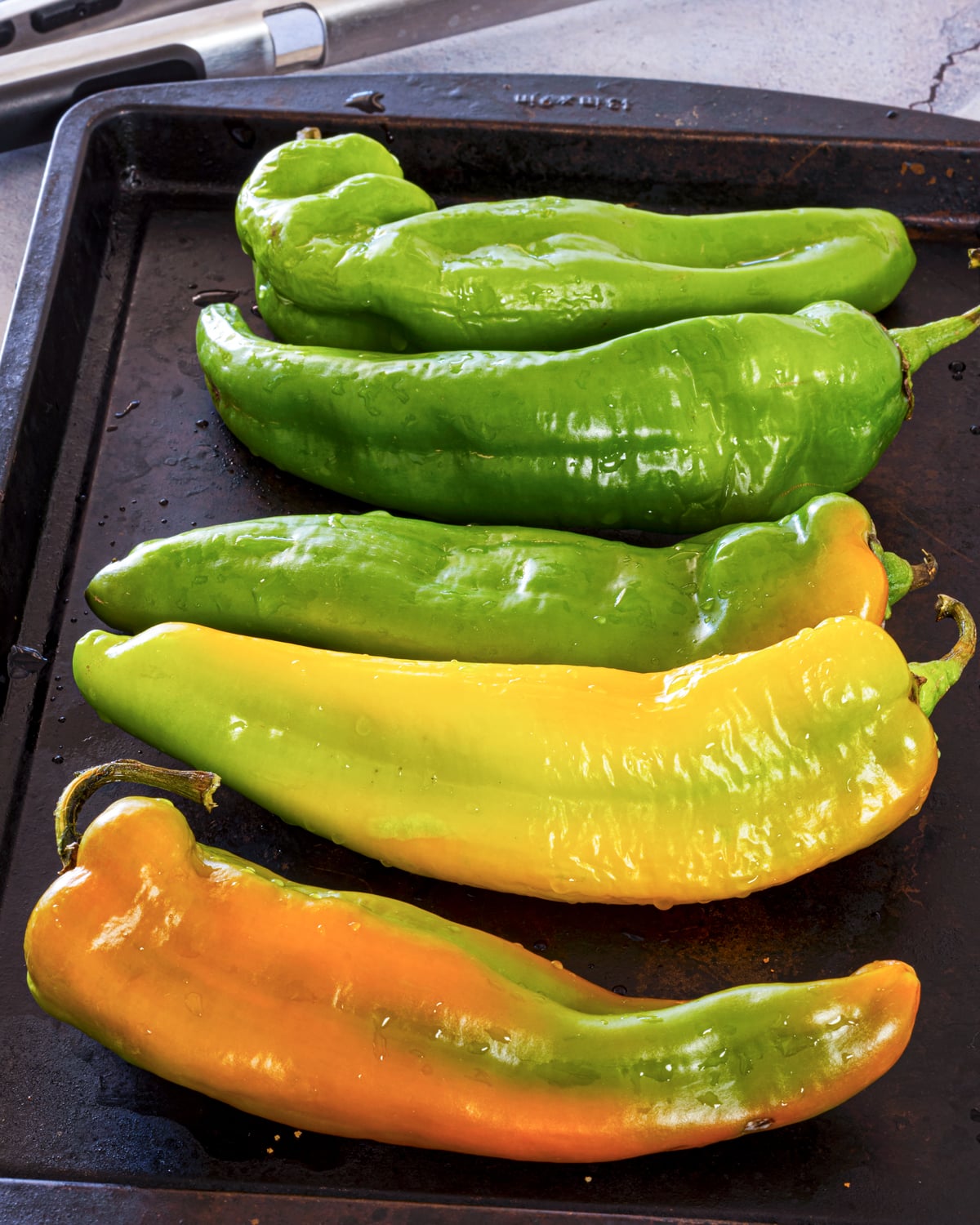
Color is the most reliable heat indicator. Green Hatch chiles, picked earlier in the season, tend to be milder and more vegetal. Red Hatch chiles, left on the plant longer, are hotter and carry a slightly sweeter, earthier flavor. Many cooks use a mix of green and red to build complexity without committing to one heat level.
Variety also matters. Big Jim is one of the most widely grown and tends toward the milder end. Sandia runs hotter. When buying at a market or roaster, ask what variety you are getting if heat level is a priority. Most good vendors know what they are selling.
Flavor Profile
Fresh Hatch chiles have a vegetal, slightly grassy flavor with a clean heat that builds gradually. The skin is thick and waxy, which is part of why roasting is so central to how they are used. Raw Hatch chiles are edible but unremarkable. The heat and flavor are both muted before the skin is charred.
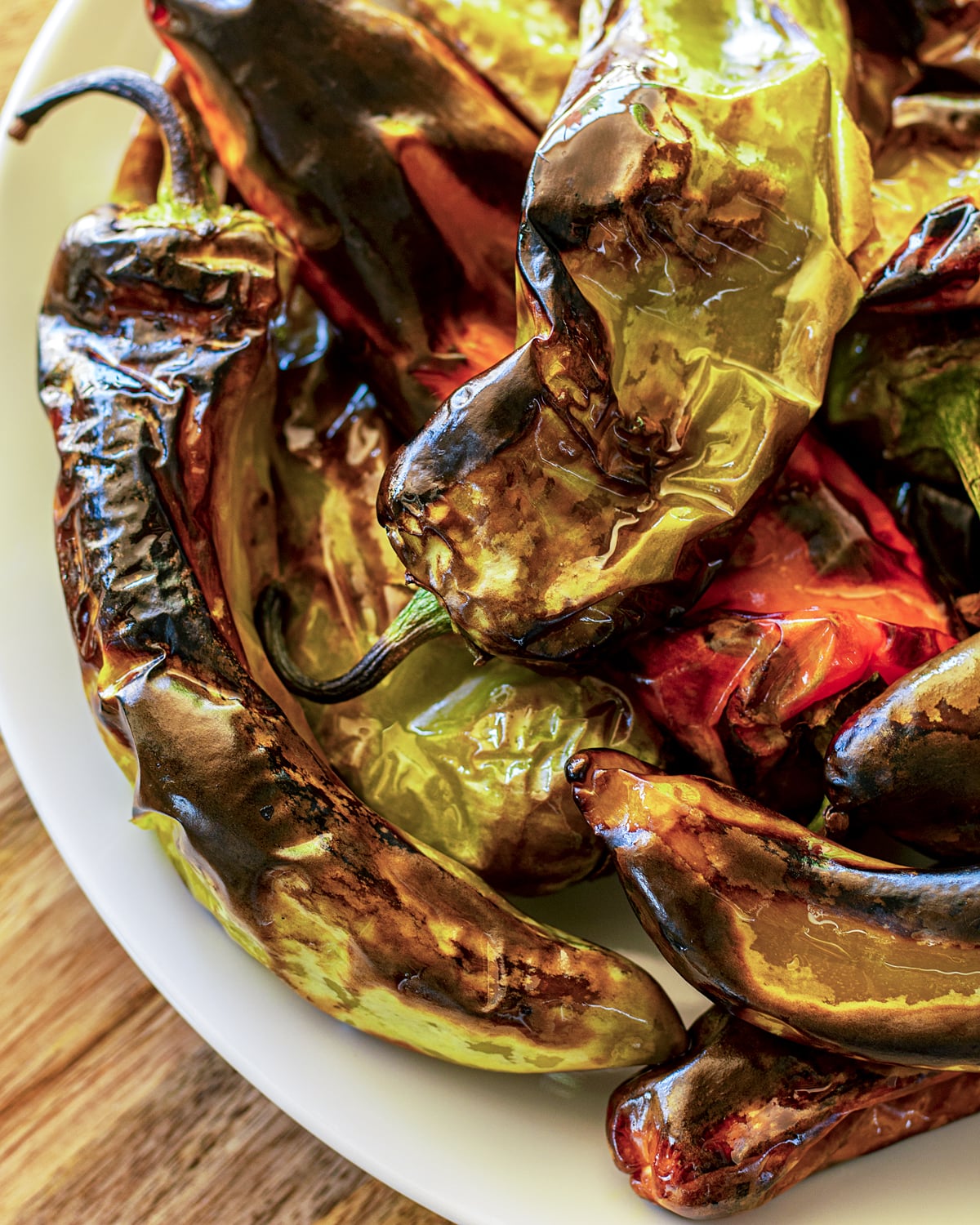
Roasting changes everything. The skin blisters and chars, the flesh steams in its own moisture, and the flavor shifts from raw and vegetal to something deep, earthy, and slightly sweet. The char adds a smokiness that is specific to this preparation and accounts for most of what people mean when they describe Hatch chile flavor. You cannot get that result from a can or a jar, which is why roasting fresh during the season matters.
Red Hatch chiles have a noticeably different flavor from green ones. The extra time on the plant concentrates the sugars, so the heat comes with a sweetness that green chiles do not have. They are also earthier and slightly more complex. I use green chiles in most applications and reach for red when I want more sweetness alongside heat, particularly in jams and sauces where the extra sugar content contributes to the final texture.
Fresh vs. Roasted vs. Frozen
Fresh is the form you are working with during season and the only form worth buying if you have access. Fresh Hatch chiles are sold raw, with the waxy skin intact, and they need to be roasted before most uses. They are not a pepper you eat raw off the cutting board. The skin is too thick and the flavor too muted.
Roasted is the form that defines Hatch chile cooking. Once the skin is charred and the flesh steams, the pepper is transformed into an ingredient that goes into everything: burgers, queso, salsa verde, eggs, enchiladas, and anything else that benefits from a mild, smoky green chile. Roasting in bulk and freezing the result is the standard approach for getting through the year.
Frozen is how Hatch chiles live outside of season. Roast them, peel them, and freeze them flat in labeled bags. They keep for up to a year in the freezer and cook from frozen in any application that involves heat. The texture softens after freezing, which makes them ideal for sauces, queso, and braised applications but not for dishes where you want a firm piece of chile.
How to Use Hatch Chiles
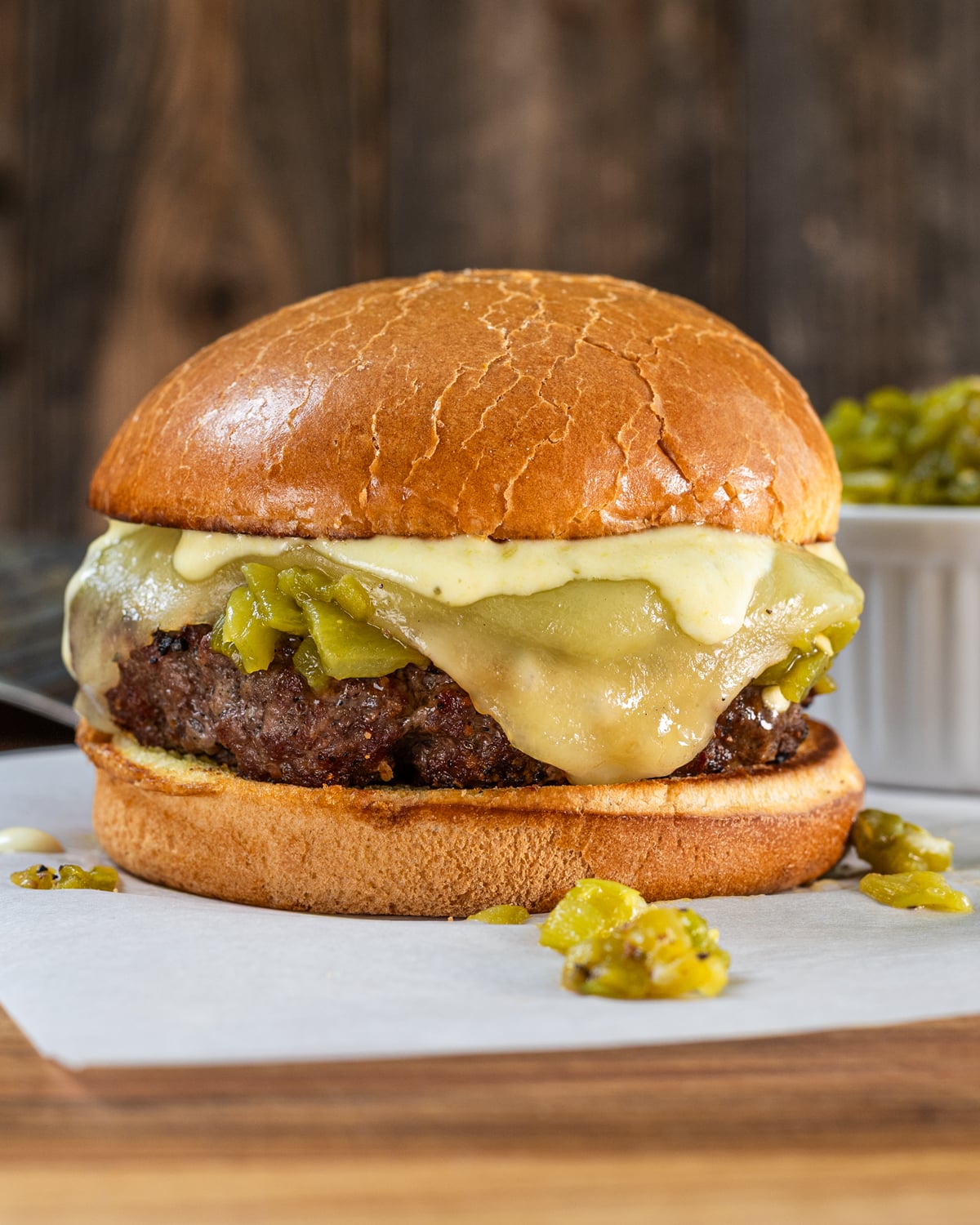
In burgers and smash burgers. A roasted Hatch chile draped over a patty is one of the best things you can put on a burger. The smokiness of the chile complements the beef without competing with it. I use them in the Hatch Chile Queso Burger, where the roasted chile goes under a blanket of queso, and the combination is straightforward and hard to improve on.
In queso and cheese dips. Roasted Hatch chiles are a natural addition to any cheese sauce. They add heat, smokiness, and texture without making the queso bitter. Dice them fine for a smooth queso or leave them in strips for something with more texture.
In salsa verde. Hatch chiles and tomatillos work well together, since the smokiness of the roasted chile rounds out the tartness of the tomatillo. The Roasted Hatch Chile Salsa Verde on this site uses that pairing and works well on tacos, grilled chicken, and anything off the smoker.
In chile rellenos. The large size and thick wall of a Hatch chile makes it one of the better candidates for stuffing. The Roasted Hatch Chile Rellenos on this site use a cheese filling, and the roasted skin adds a layer of flavor that a poblano relleno does not have.
As a finishing element. Strips of roasted Hatch chile work as a topping or garnish on tacos, eggs, grain bowls, and sandwiches. Keep a container of peeled, roasted strips in the fridge during the season, and they will find their way into nearly everything you cook that week.
How to Roast Hatch Chiles
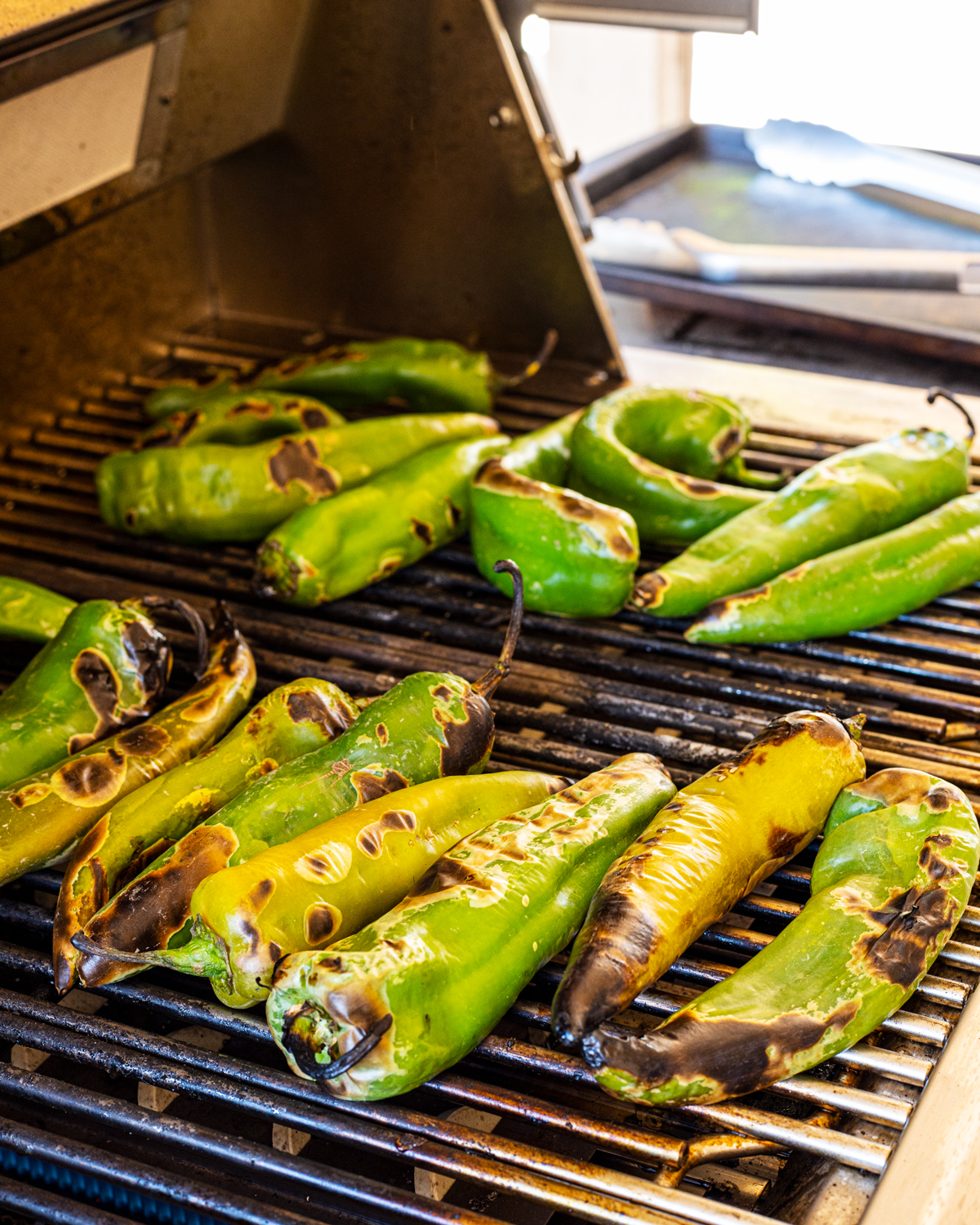
Roasting is not complicated, but the steaming step afterward matters as much as the charring. The goal is blistered skin on all sides, followed by 15 to 20 minutes of steam to loosen that skin for peeling.
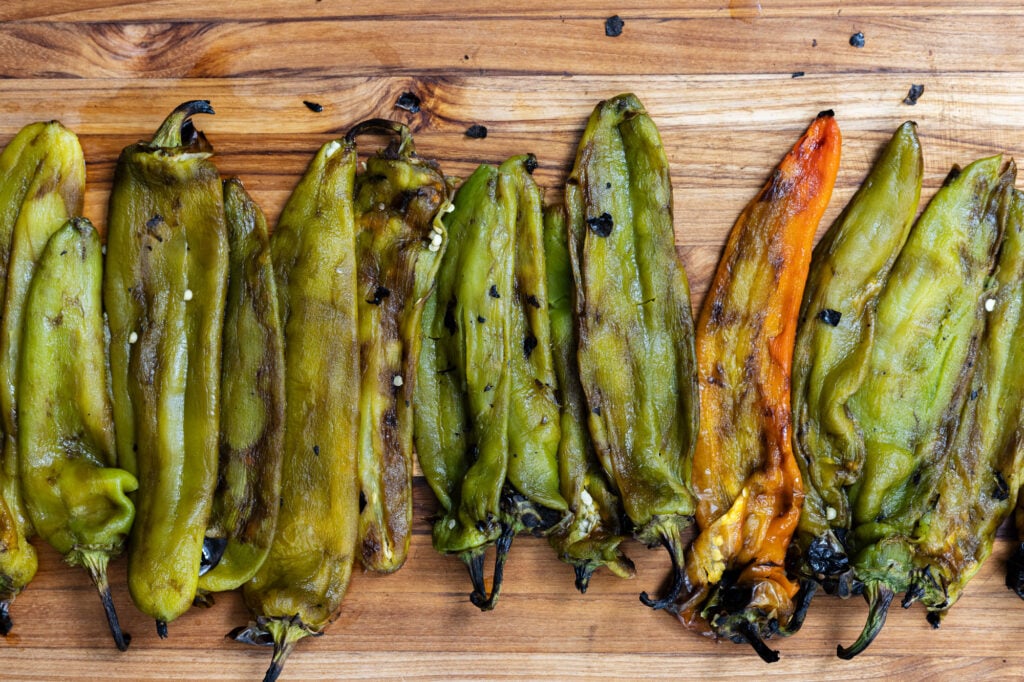
Over charcoal. This is the method I use and the one that produces the best flavor. Build a medium bed of coals and place the chiles directly over the heat. Rotate them every two to three minutes until the skin is charred on all sides. Move them to the cool side of the grill if the flesh starts cooking through before the skin is finished. Transfer to a bowl, cover tightly, and steam for 15 to 20 minutes before peeling.
Over a gas grill. Set one burner to medium-high. Place chiles directly over the flame and rotate until the skin blisters evenly on all sides. Steam in a covered container for 15 to 20 minutes after roasting.
Under the broiler. Set the oven to broil. Place chiles on a foil-lined baking sheet with a light coat of oil. Broil on the top rack, flipping every four to six minutes until all sides are blistered. Transfer to a covered container and steam for 15 to 20 minutes. Note that indoor roasting produces significant chile fumes, so ventilate the kitchen.
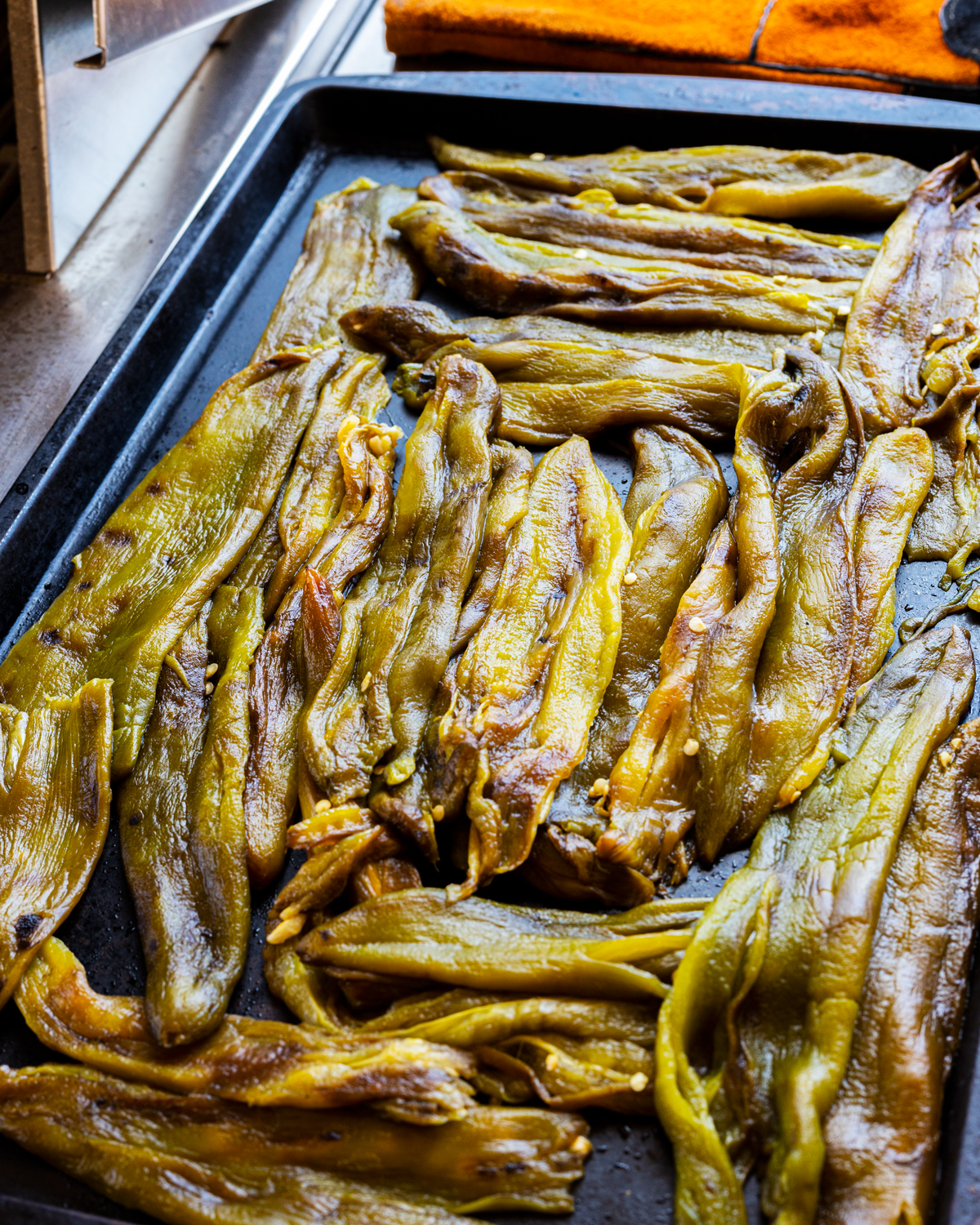
After steaming: Peel the charred skin off by hand. Do not rinse the chiles under water. Washing removes the flavorful oils that developed during roasting and shortens their shelf life. Remove seeds and stems now if you want to save time later. Flatten peeled chiles in freezer bags for storage.
Where to Buy and When to Stock Up
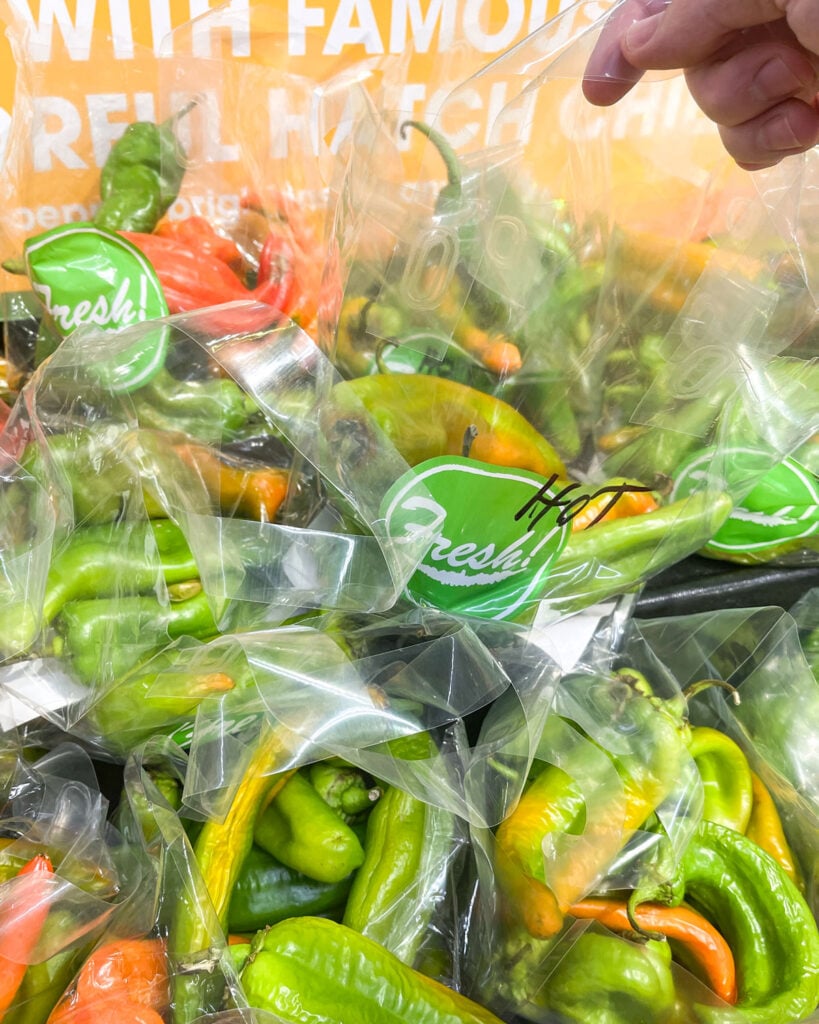
Hatch chile season runs from late July through September. Outside of that window, fresh Hatch chiles are not available, and frozen is the only option. Most grocery stores in the Southwest carry them during season, and barrel roasters set up outside stores during peak weeks. Buy them roasted by the pound if you can find a good operator. It saves significant time and the flavor from a properly run barrel roaster is excellent.
If you are outside the Southwest, Melissa’s Produce ships fresh Hatch chiles nationally during season. Order in advance since supply sells out quickly.
When buying fresh, look for chiles with smooth, firm skin and no soft spots or wrinkling. Straight chiles roast more evenly than curved ones. Deep green indicates mild to medium heat. Orange or reddish color indicates a hotter, sweeter chile.
Buy more than you think you need. The math almost always works out to needing more than you planned for, and they freeze well for up to a year.
Frequently Asked Questions
Roasted Hatch chiles have a rich, buttery flavor with an earthy depth that no other green chile quite matches. The flesh softens during roasting into something almost silky, with mild to moderate heat depending on the variety and color. Green chiles are brighter and more vegetal, red chiles are sweeter and slightly more complex. That buttery quality is what makes them worth seeking out every season.
Anaheim is the closest widely available option. The two varieties are related and share a similar mild, grassy flavor profile, though Anaheim is generally milder and less complex. Use it in a one-to-one swap and roast it the same way. Canned green chiles work in a pinch for sauces and queso but lack the roasted character that makes Hatch worth using in the first place.
Yes, for most uses. The skin is thick and waxy and does not break down during cooking, so leaving it on creates an unpleasant texture in finished dishes. Peel after steaming, not before. Do not rinse with water. Washing removes the flavorful oils that developed during roasting and shortens shelf life.
You can, but roasting them first produces a significantly better result. Raw frozen Hatch chiles lose texture when thawed and have a muted flavor compared to roasted and frozen ones. Roast, peel, and freeze for the best outcome.
Up to a year when stored flat in sealed freezer bags. Let them cool completely before sealing to avoid condensation and freezer burn. Label the bags with the date and heat level, since all frozen green chiles look the same once bagged.

Recipes Using Hatch Chiles
- Hatch Chile Queso Burger: Roasted Hatch chiles under a blanket of queso on a smash-style burger; the chile and cheese combination is the whole point of the dish.
- Hatch Chile Smoked Shrimp: Shrimp smoked with roasted Hatch chiles; the smokiness of the chile and the smoke from the grill reinforce each other in the finished dish.
- Hatch Chile Pico de Gallo: A fresh salsa built around roasted Hatch chiles instead of jalapeño; the smoky flavor changes the character of the pico entirely.
- Hatch Chile Chimichurri Sauce: A live fire chimichurri with roasted Hatch chiles folded in; works on steak, chicken, and anything else with grill marks.
- Creamy Hatch Chile Mac and Cheese: Roasted Hatch chiles stirred into a smoked mac and cheese; the chile cuts through the richness of the cheese sauce.
- Smoked Stuffed Pork Tenderloin with Hatch Chiles: Hatch chiles stuffed inside a pork tenderloin before it goes on the smoker; the chile steams inside the meat during the cook.
- Roasted Hatch Chile Rellenos: The classic preparation; large Hatch chiles stuffed with cheese and cooked until the filling melts.
- Roasted Hatch Chile Salsa Verde: A tomatillo-based salsa verde with roasted Hatch chiles; the smokiness of the chile rounds out the tartness of the tomatillos.
- Roasted Hatch Chile Jam: A sweet and spicy jam that uses a mix of green and red Hatch chiles; the red chiles bring sweetness that balances the heat.
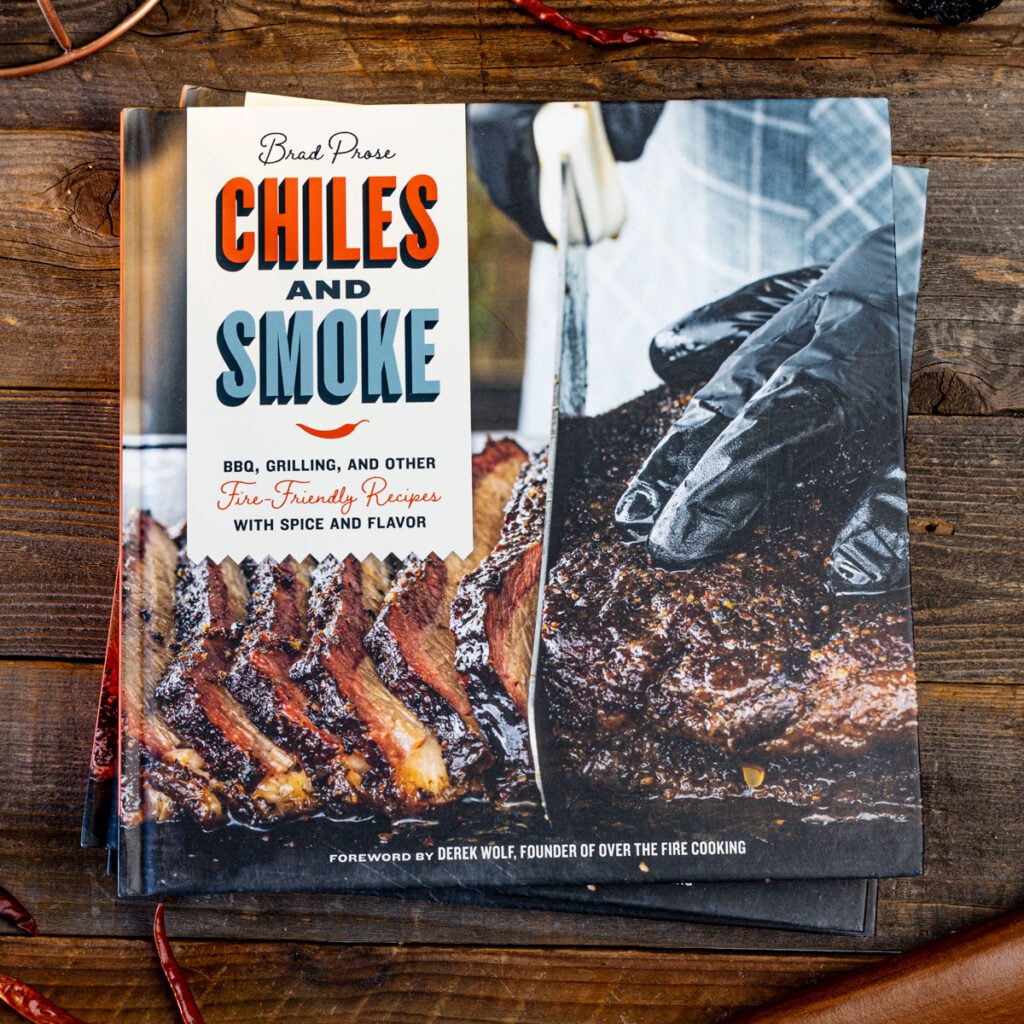
Every chile in this hub has a place in my first cookbook. Chiles and Smoke is built around live fire cooking and the Mexican and Sonoran chiles that drive the flavors, with recipes that go well beyond what any reference page can cover.
If Hatch chiles have earned a spot in your kitchen, the book will give you a lot more to do with them.
Hatch season is short, and the window closes fast. Buy more than you think you need, roast everything at once, and you will have one of the best ingredients in your freezer for the rest of the year.
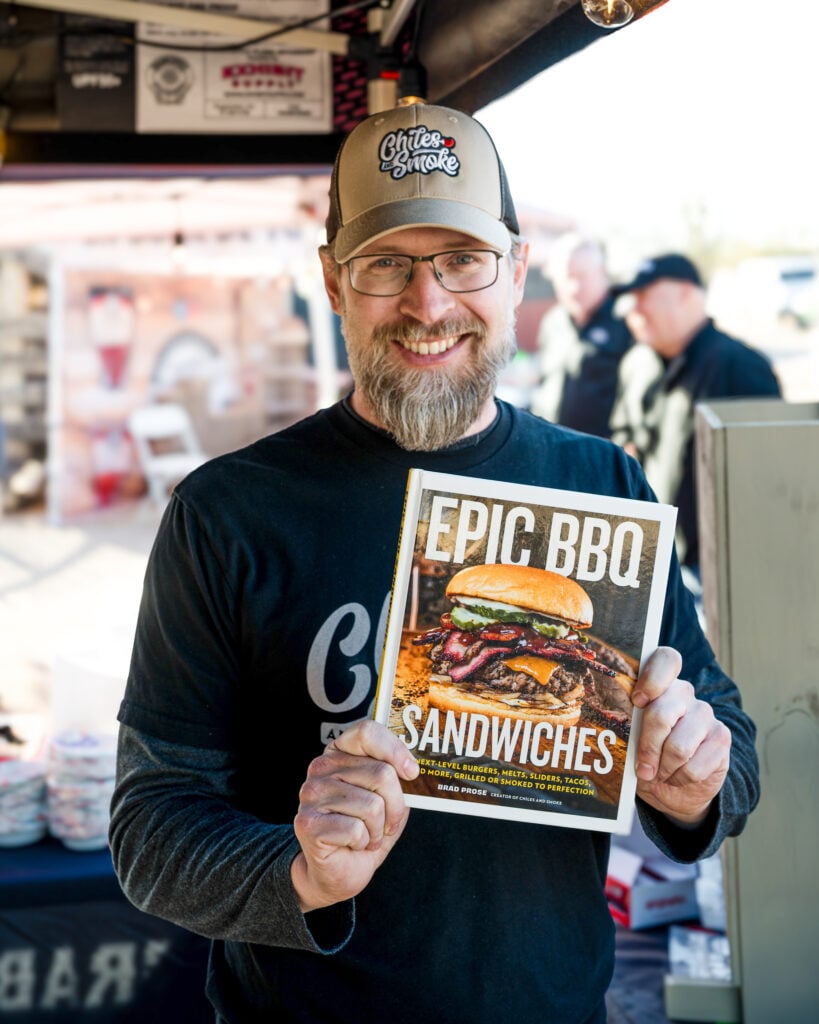
Brad Prose has been crafting recipes over live fire for 20 years. He’s the author of two cookbooks, Chiles and Smoke and Epic BBQ Sandwiches, and the creator of the original smash burger taco, as credited by the Washington Post, TODAY Show, Good Morning America, and Food Network. Brad is the force behind Chiles and Smoke, the home of Sonoran BBQ: bold flavors built around chiles, smoke, and the traditions of the American Southwest. Follow along on Instagram, YouTube, and Facebook.
Hey, Brad
Can’t get Hatch chilies in British Columbia. Are Anaheims a suitable replacement?
Thanks
Yes! They are the closest chile to Hatch, in fact the two are related.
Some Great Recipes here. I can’t wait to try them on my new Smoker & with Hatch Chilies.
Thank you for the informative article. I will start freezing some now that I k ow how.
I can’t wait to see what you make! Appreciate the feedback