Serrano Peppers
Last updated June 2026
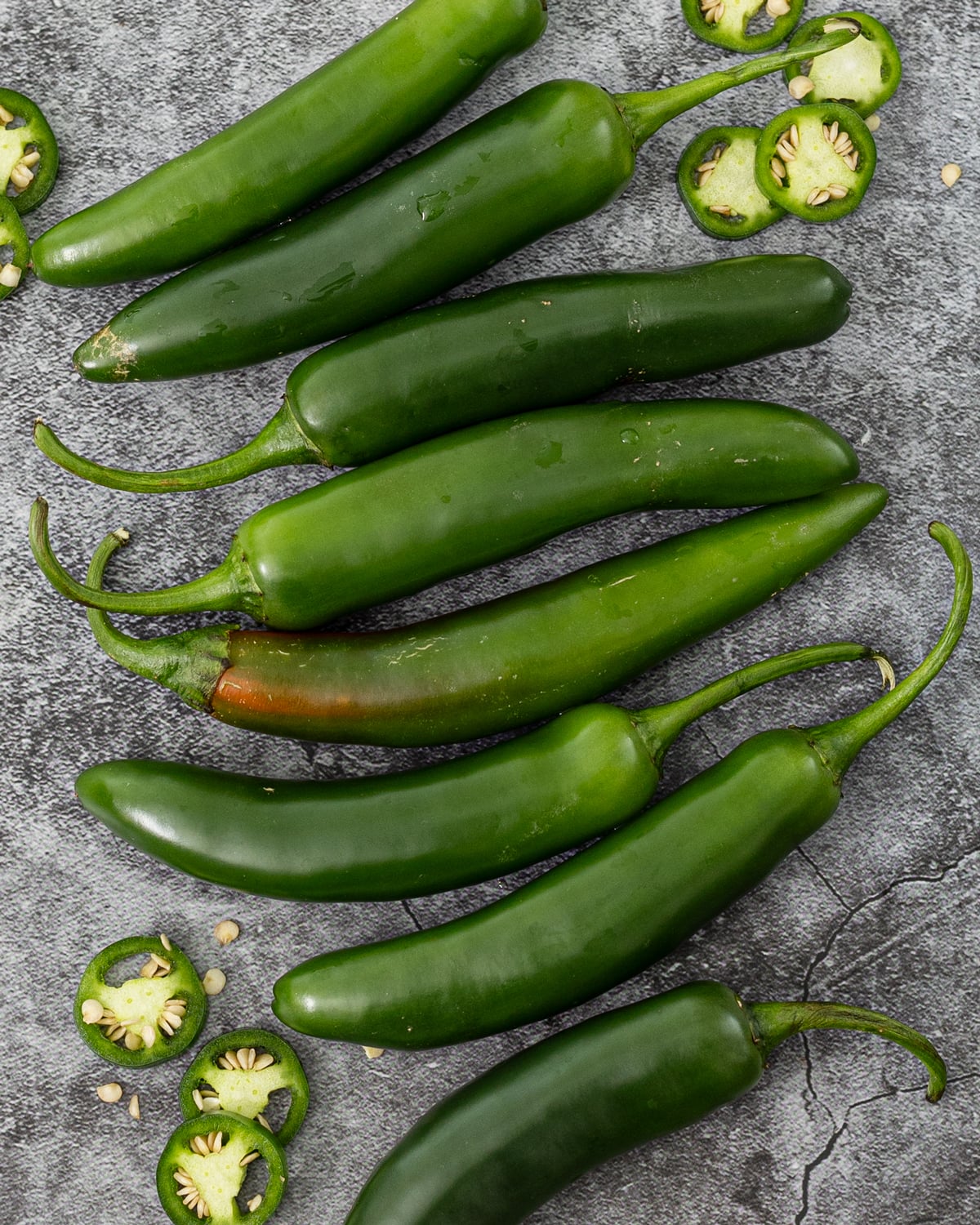
The serrano pepper is what you reach for when a jalapeño is not quite enough. Sharper heat, cleaner flavor, and a thin skin that transforms in two minutes over a hot grate into something smoky and entirely different from the raw pepper. It is one of the most widely used fresh chiles in Mexican cooking and one of the most underused at the live fire grill.
Most people reach for a jalapeño when they want heat. A serrano is what you use when that is not enough and you still want something clean. That specific combination of sharpness and brightness, with no fruitiness getting in the way, is what makes the serrano one of the most useful chiles in the kitchen and one of the most underused at the grill.
Serrano Peppers At a Glance
|
Heat Level |
|
|
Scoville Range |
10,000–23,000 SHU |
|
Compared To |
3–5x hotter than a jalapeño |
|
Flavor Profile |
Bright, grassy, clean heat with no fruitiness |
|
Common Forms |
Fresh, pickled, charred |
|
Color When Ripe |
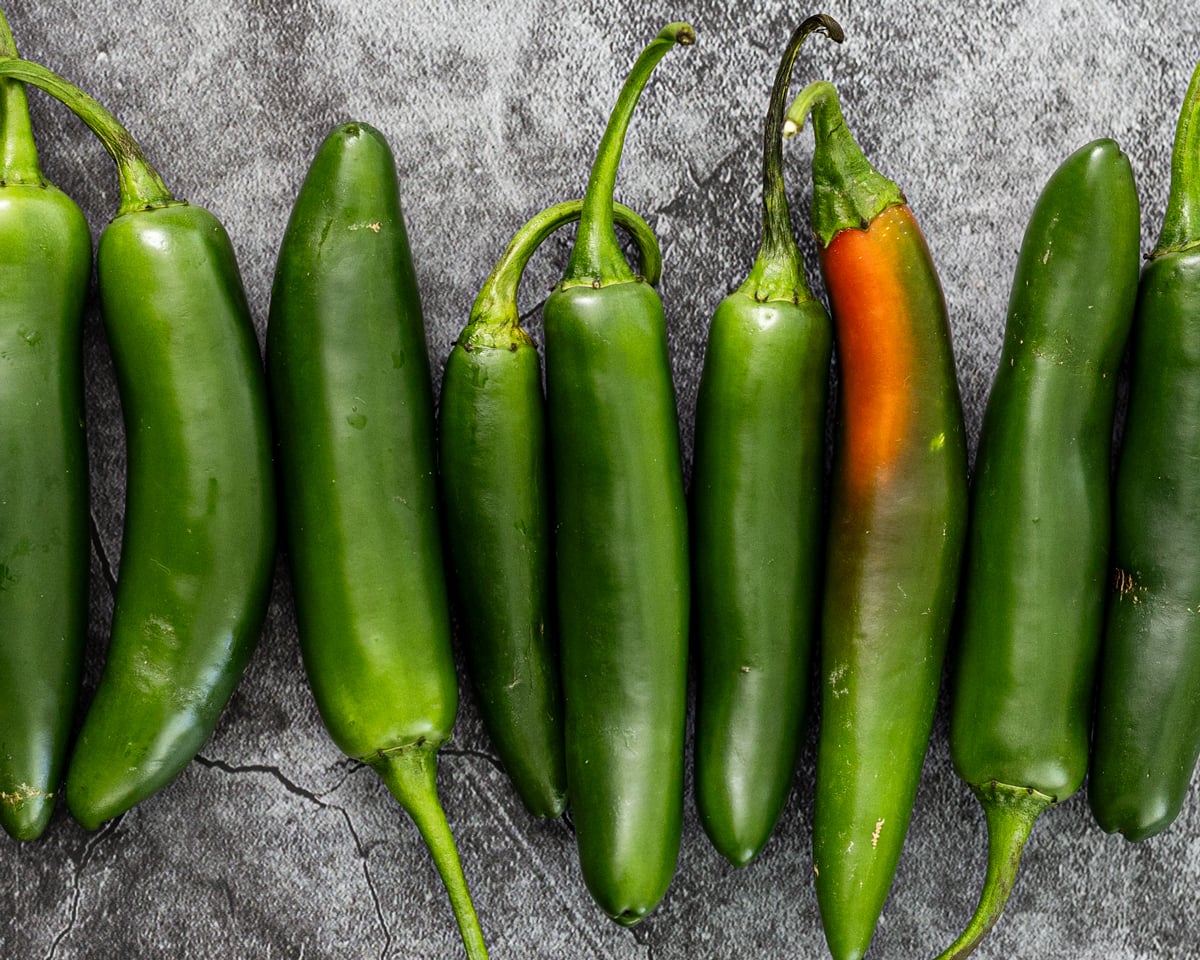
Green to red |
|
Typical Size |
3–4 inches long, thin-walled |
|
Best Substitutes |
Jalapeño (milder), chile de árbol (dried, hotter) |
What Is a Serrano Pepper?
The serrano is native to the mountain ridges of the Mexican states of Puebla and Hidalgo, and the name reflects exactly that: “serrano” comes from “sierra,” the Spanish word for mountain range. It is one of the most widely used fresh chiles in Mexican cooking, appearing in everything from table salsas to marinades, and it shows up in markets across Mexico and the American Southwest year-round.
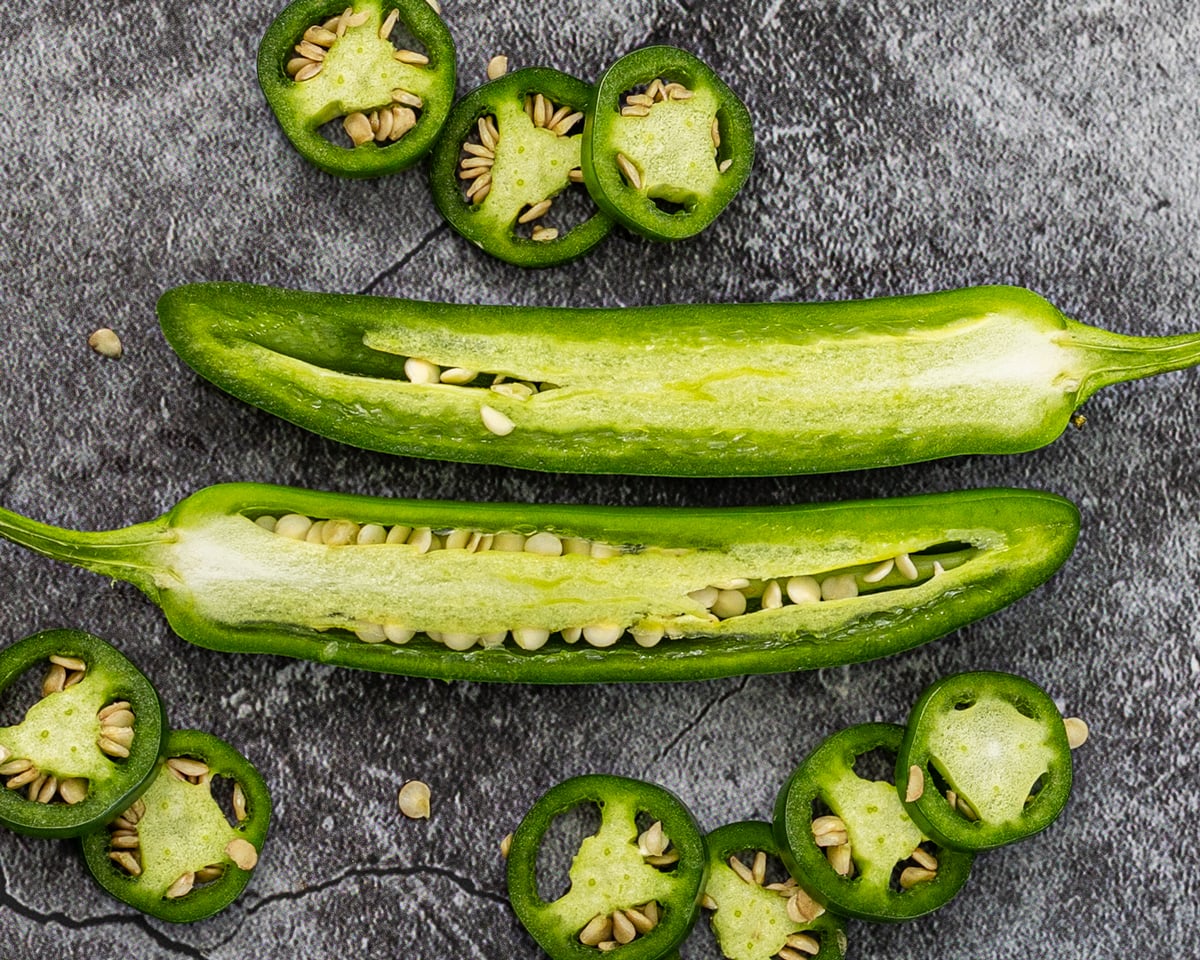
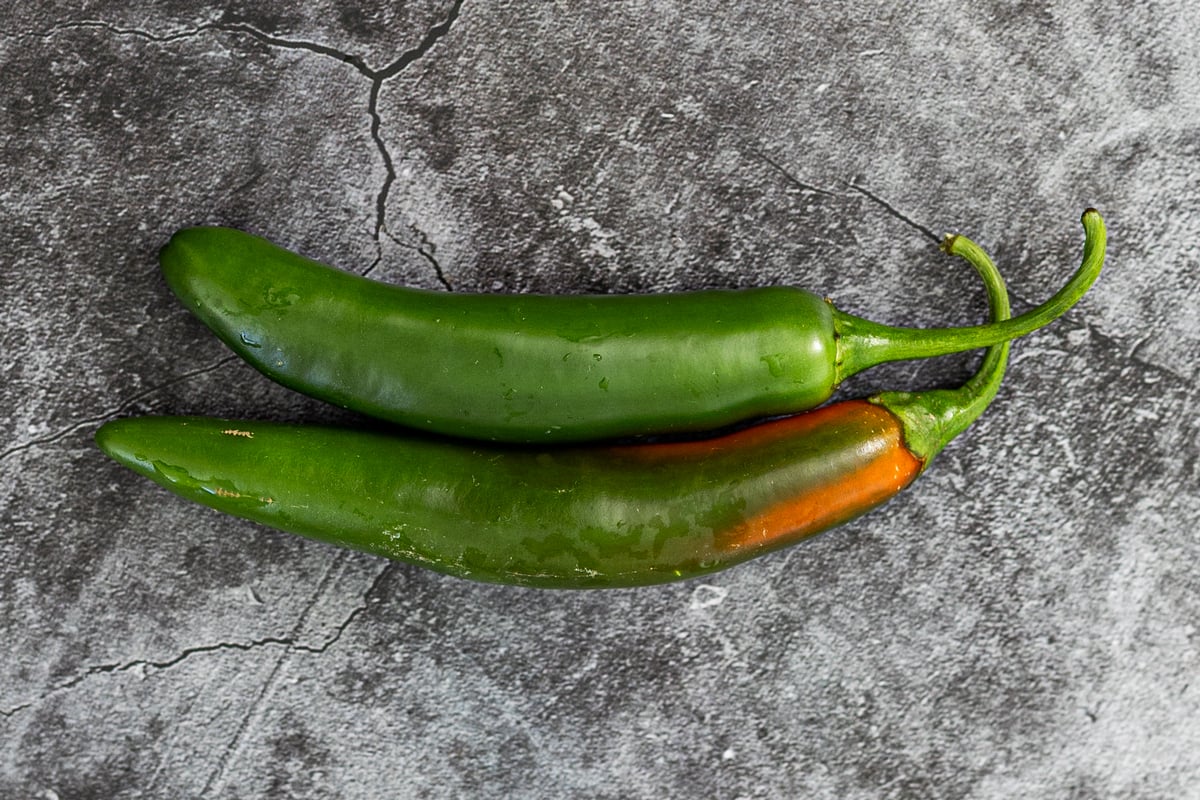
Physically, the serrano is narrower and thinner-walled than a jalapeño, and that difference matters in the kitchen. The thin skin softens enough under direct heat that you do not need to peel it after charring. The flesh is also juicier and more intensely flavored than a jalapeño at the same stage of ripeness.
One distinction worth knowing: serranos and jalapeños are often used interchangeably in American recipes, but they are not the same pepper. The serrano is hotter, brighter in flavor, and lacks the vegetal undertone that defines a raw jalapeño. If a recipe calls for jalapeño and you want more heat with sharper flavor, a serrano does that job, just start with a smaller amount.
How Hot Is a Serrano Pepper?
Serranos range from 10,000 to 23,000 Scoville Heat Units, putting them solidly in the medium-hot category. A typical jalapeño runs 2,500 to 8,000 SHU. At its hottest, a serrano is roughly three times hotter than a jalapeño at its hottest, and the gap is noticeable, especially in raw preparations like pico de gallo where the pepper’s heat is untempered.
That range matters in practice. A green serrano picked early will land toward the lower end. A fully ripened red serrano hits the upper range and carries noticeably more heat alongside a slightly sweeter flavor. Growing conditions also play a role, since a drier season or a stressed plant tends to produce hotter fruit. If you are cooking for guests with lower heat tolerance, taste a raw sliver before committing to a quantity.
Flavor Profile
Raw serrano has a bright, grassy heat that hits fast and clears cleanly, with no fruitiness, no sweetness, and no slow burn. It is a direct, assertive heat that suits dishes where you want the pepper’s presence to be immediate. That quality makes it the right chile for pico de gallo and crudo-style salsas, where the fresh flavor of the pepper contributes to the dish rather than fading into the background.
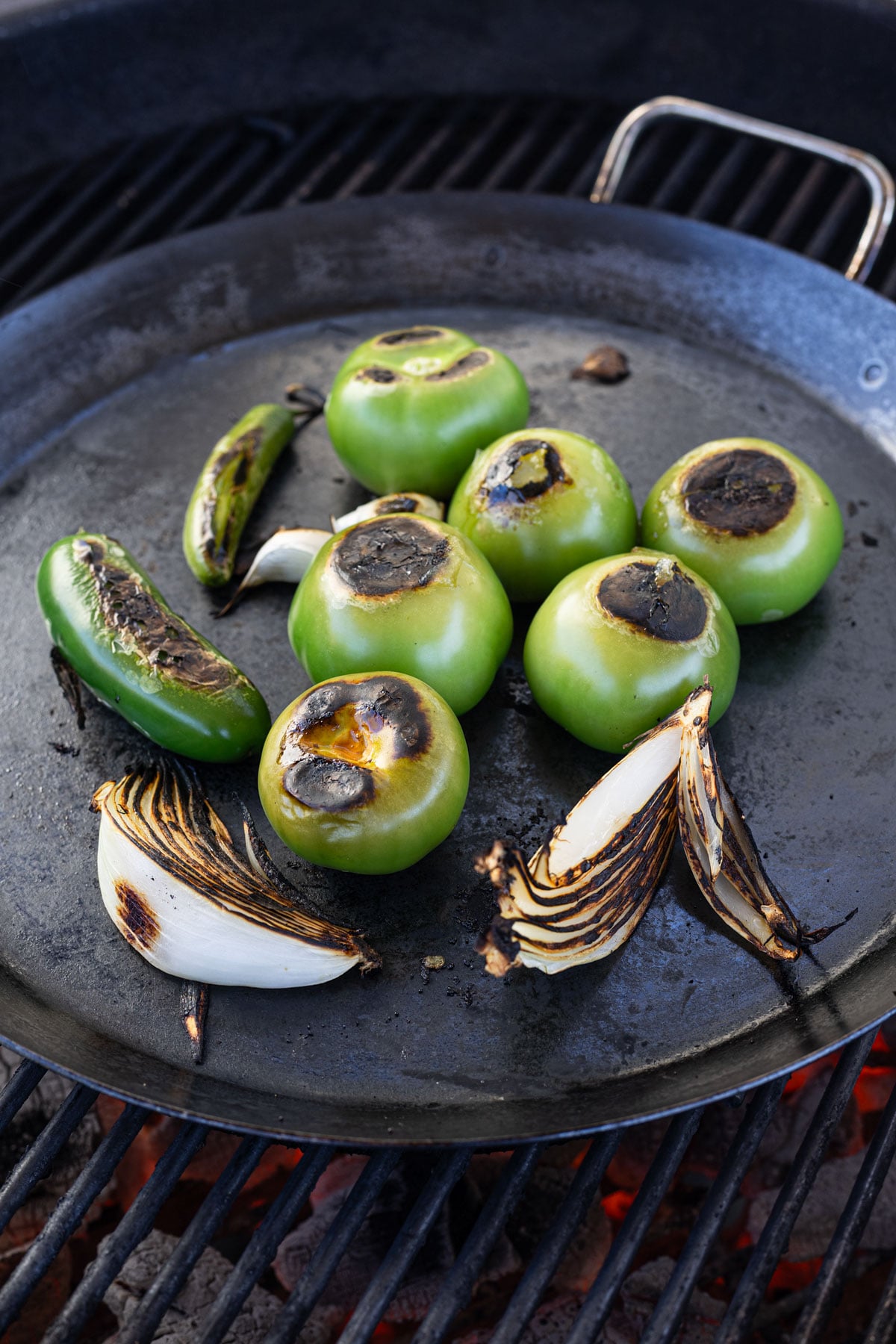
Cooked, the serrano mellows without losing its character. Charred over direct heat on a grill grate, a comal, or a gas flame, the skin blisters, the flesh softens, and the heat rounds out into something smoky and slightly sweet. It distributes more evenly through the pepper instead of staying concentrated in the seeds and veins. That version is a genuinely different ingredient from the raw pepper and earns its own place at the grill.
Dried serranos are less common than dried guajillos or anchos, but they do exist. When dried, a serrano is sometimes called a chile seco, and the flavor concentrates significantly while the heat sharpens. It is not the go-to dried chile in the Sonoran pantry, but if you have a surplus of fresh ones, drying them is a practical option for a sharp, clean finishing powder.
How to Use Serrano Peppers
Raw in salsa and pico de gallo. The serrano is the traditional heat source in classic pico de gallo, minced fine and used fresh, where it delivers heat without muddying the tomato and cilantro. Start with one pepper per cup of tomatoes and taste before adding more. The Fresh Pico de Gallo on this site uses jalapeño by default, and the headnote covers the serrano swap.
Charred for salsas and tacos. Two to three minutes over direct charcoal heat blisters the skin and transforms the flavor entirely. The heat softens, the grassiness picks up smoke, and the pepper becomes something worth building a dish around. No peeling needed at this stage. Blend it with tomatillos for a quick salsa verde or slice it over tacos straight off the grate.
As a fresh garnish. Sliced thin on a bias, raw serrano rings are a clean finishing element on tacos, aguachile, or anything that needs heat and contrast at the end. A small bowl on the table alongside lime wedges lets everyone set their own level.
Pickled. Quick-pickled serranos follow the same brine as pickled jalapeños but produce a sharper, brighter result. The thinner wall means they soften faster, so check texture around 24 hours if you want some crunch left. Full method at Quick Pickled Jalapeños, with a serrano note in the headnote.
Pairing the Serrano with the Grill
Serranos are the pepper I reach for when I want heat directly on the fire without any prep work. A whole serrano thrown onto the grate over a two-zone charcoal setup, high side directly over the coals, blisters in about two minutes. I turn it once, pull it when both sides have some char, and that is the whole process.
What comes off the grill is nothing like the raw pepper. The heat rounds out, the grassiness picks up smoke, and the texture shifts from firm to just slightly yielding. I use those charred peppers one of two ways: sliced as a topping directly on tacos or smash burgers while everything is still hot, or blended with charred tomatillos and a squeeze of lime for a quick table salsa that comes together in about three minutes.
I also swap in a charred whole serrano for minced raw serrano in marinades for Carne Asada Tacos. The smoke carries into the meat during the rest, and the heat distributes more evenly through the marinade without the sharp raw bite you get from a minced fresh pepper.
Best Serrano Pepper Substitutes
Jalapeño is the most common swap and the right call when you want the same flavor profile at lower heat. Use one and a half jalapeños for every serrano the recipe calls for and taste as you go. The flavor is similar but the jalapeño lacks the serrano’s edge. For raw applications like pico de gallo or fresh garnishes, a jalapeño works cleanly, and for charring on the grill, it holds up just as well.
Fresno chile is a closer heat match than a jalapeño, running 2,500 to 10,000 SHU, and carries a slightly fruity note that the serrano does not have. It is a good substitute in cooked salsas and hot sauces where the fruitiness blends into the other flavors rather than standing out on its own.
Chile de árbol is the right move when a recipe is a cooked sauce and you want dried heat instead of fresh. It runs hotter than a serrano at 15,000 to 30,000 SHU, so start with half the quantity and adjust from there. The flavor profile shifts significantly, since chile de árbol has a more intense, almost nutty heat compared to the serrano’s bright freshness.
Where to Buy and How to Store
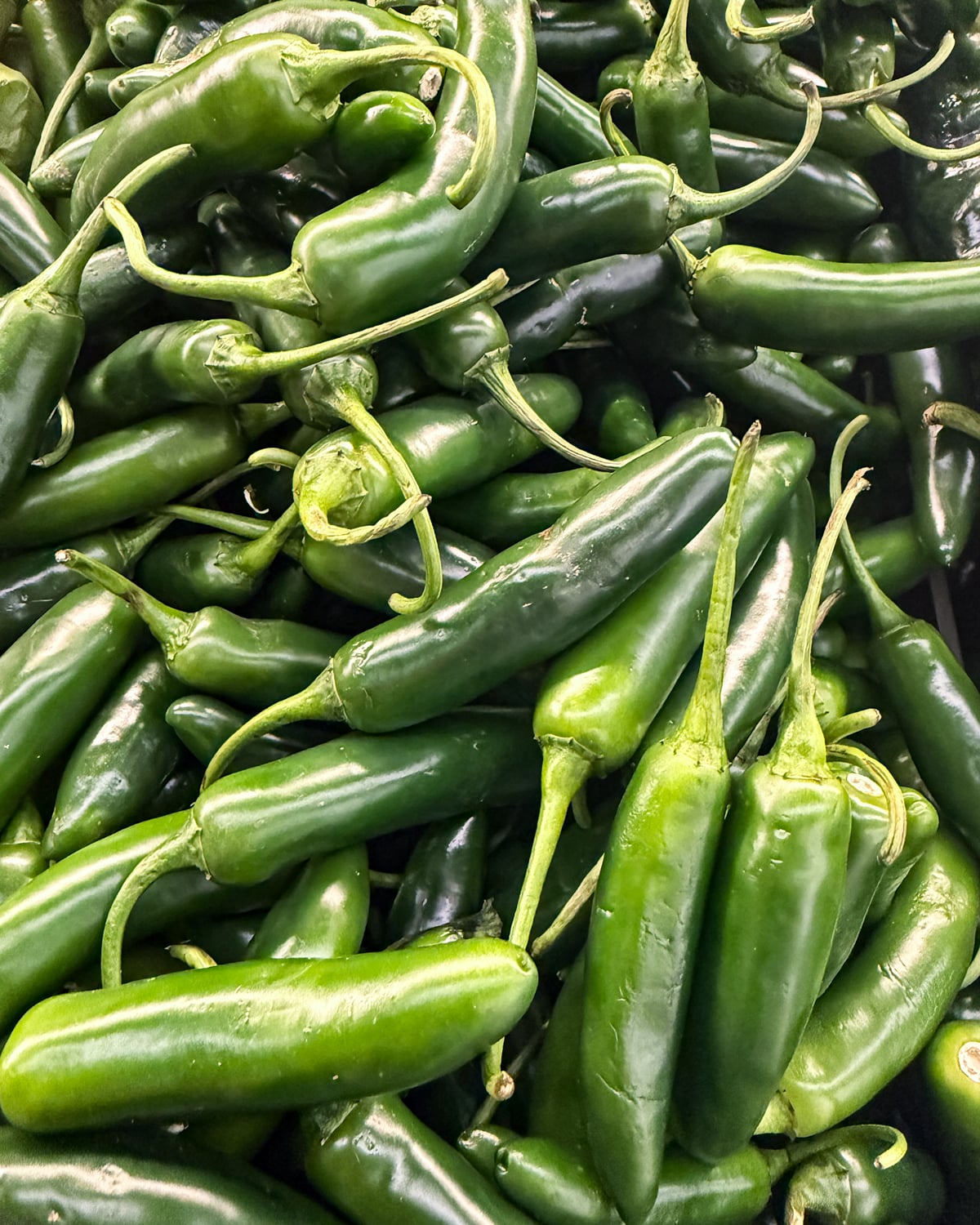
Fresh serranos are available at most grocery stores year-round, typically shelved near the jalapeños in the produce section. Mexican markets carry them in larger quantities and usually at lower prices if you plan to use them in volume. Look for peppers that are firm with tight, glossy skin and no soft spots or wrinkling, since those are signs the pepper has been sitting too long and the flavor and heat have begun to diminish.
Color is a more reliable indicator of heat than size. A small serrano is not automatically hotter than a large one, but a red serrano is consistently hotter than a green one from the same plant. Choose green for a milder application and red when you want maximum heat.
Store fresh serranos unwashed in the refrigerator in a paper bag or a loosely sealed bag with some airflow, since full airtight sealing accelerates softening. They hold well for one to two weeks. For longer storage, freeze them whole with no blanching needed and use directly from frozen in any cooked application.
Frequently Asked Questions
Yes, and that is how they are most commonly used. The thin skin and clean heat make them well-suited for raw applications like pico de gallo, fresh salsas, and as a sliced garnish on tacos. Raw serranos are noticeably hotter than cooked ones since the heat softens significantly once the pepper hits direct heat.
Cooking softens it noticeably. Charring breaks down some of the capsaicin and mellows the heat without dulling the flavor. A charred serrano is significantly less aggressive than a raw one, which is part of what makes it so useful on the grill.
Yes, with a heat adjustment. Use about two-thirds the quantity of serrano that the recipe calls for in jalapeño, taste, and add from there. The flavor profiles are similar but the serrano brings noticeably more heat. The swap works in any application: raw, cooked, pickled, or charred.
Recipes Using Serrano Peppers
- Carne Asada Tacos: A charred serrano in the marinade instead of raw minced pepper softens the heat and adds a layer of smoke that carries through the meat.
- Charred Salsa Verde: Serrano is one of the two chiles charred directly on the comal; it provides the sharper, brighter heat that balances the milder jalapeño in the recipe.
- Pickle de Gallo: The variations note calls for serrano as the swap when you want more assertive heat than a jalapeño brings to the pineapple salsa.
- Coal-Roasted Pineapple Burnt Ends: Serrano is the recommended garnish at the finish, sliced thin over the glazed pineapple to cut through the sweetness.
- Fresh Pico de Gallo: The headnote covers swapping jalapeño for serrano when you want more heat; the same ratios apply.
- Quick Pickled Jalapeños: The brine method works directly with serranos for a sharper, thinner-walled pickle ready in the same 8-hour window.
- Smoked Pickled Jalapeños: Same approach as the quick pickle but with a smoke step first; serranos take on smoke well and hold their texture through the brine.
- Chipotle Salsa: The recipe calls for fresh jalapeño; serrano is the direct swap when you want a hotter, brighter salsa with the same chipotle backbone.
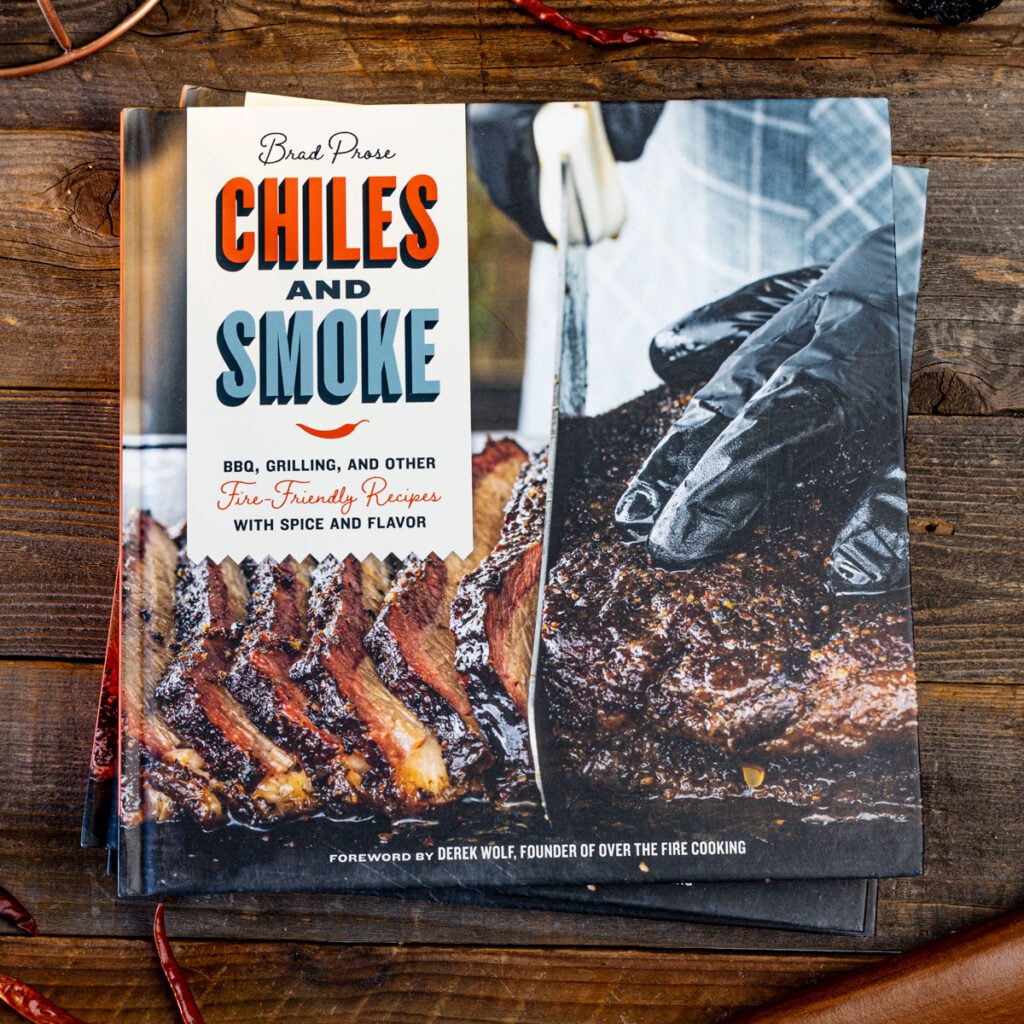
Every chile in this hub has a place in my first cookbook. Chiles and Smoke is built around live fire cooking and the Mexican and Sonoran chiles that drive the flavors, with recipes that go well beyond what any reference page can cover.
If serranos have earned a spot in your kitchen, the book will give you a lot more to do with them.
Once you start cooking with serranos regularly, you will find them in almost everything. Keep a few on hand, throw one over the coals when the grill is going, and the jalapeño in your fridge starts collecting dust.

Brad Prose has been crafting recipes over live fire for 20 years. He’s the author of two cookbooks, Chiles and Smoke and Epic BBQ Sandwiches, and the creator of the original smash burger taco, as credited by the Washington Post, TODAY Show, Good Morning America, and Food Network. Brad is the force behind Chiles and Smoke, the home of Sonoran BBQ: bold flavors built around chiles, smoke, and the traditions of the American Southwest. Follow along on Instagram, YouTube, and Facebook.