
Reverse-Seared Picanha
Last tested: March 2026
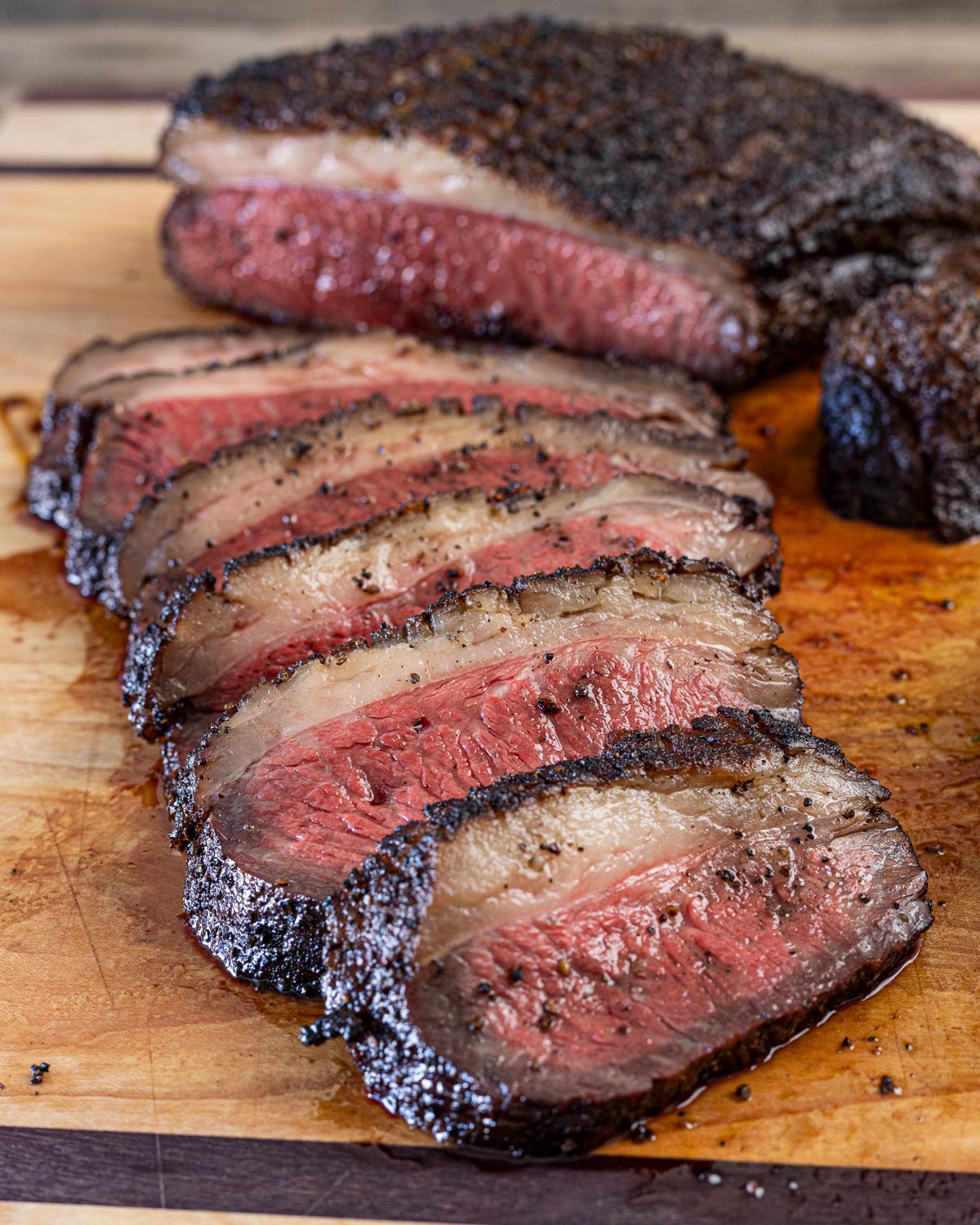
Reverse-seared picanha is a whole roast smoked at 250°F until it hits your target internal temp, then seared over direct flame to build a crispy fat cap and a dark crust. The two-step process gives you full control over doneness on a cut that runs 2.5–4 pounds. It’s too thick to cook reliably over direct heat alone.
I’ve been cooking picanha this way for years. The fat cap renders slowly during the smoke, then crisps hard during the sear. You get a clean slice with bark on top and pink all the way through. This is very easy to pull off using any charcoal grill with a lid.
What Is Picanha?
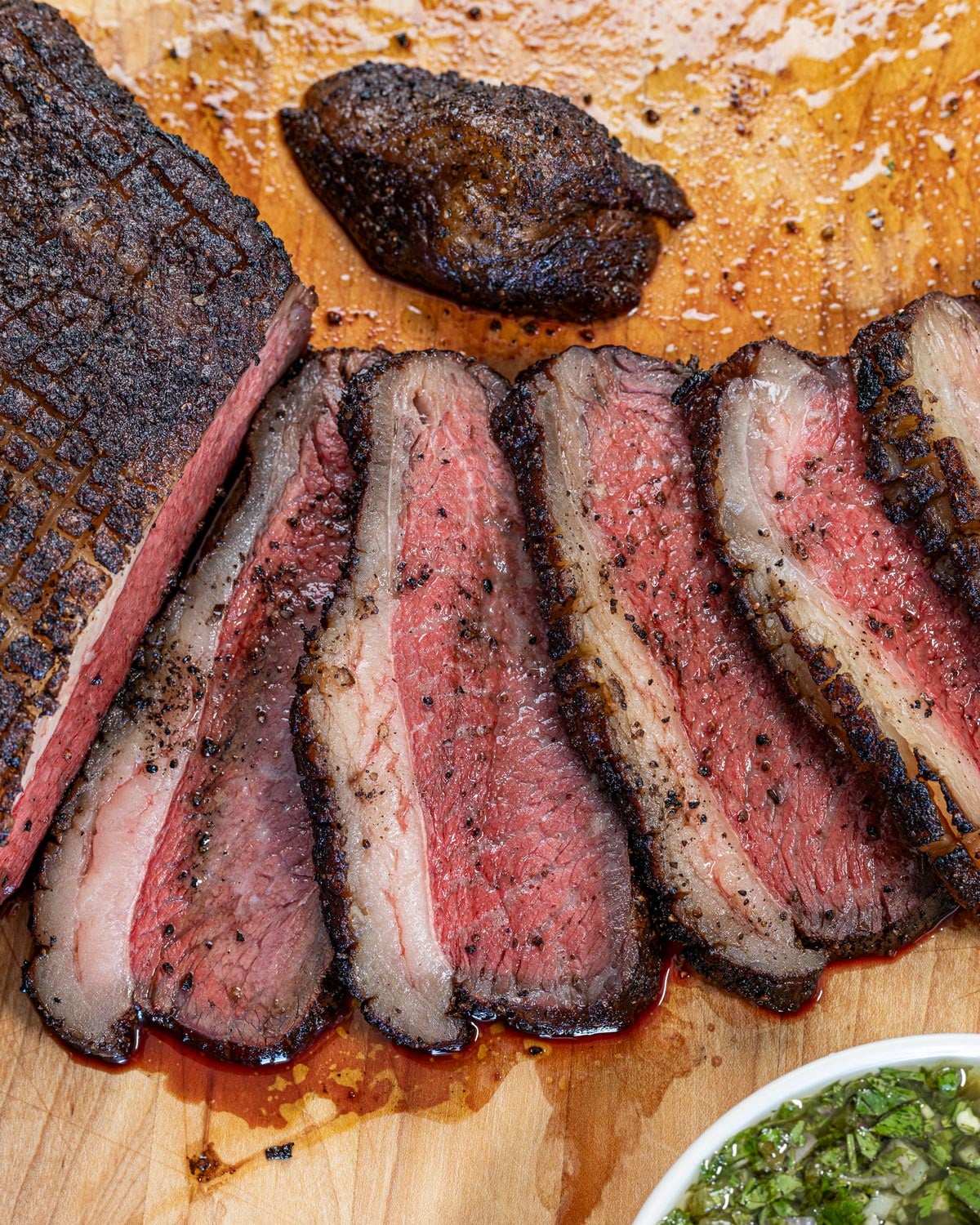
Picanha is the top sirloin cap muscle, cut from the rump of the cow and covered by a thick fat cap you do not remove. It’s been a staple at Brazilian churrascarias for decades, typically skewered and carved tableside. In the US you may see it labeled sirloin cap or rump cap, but most butchers will know picanha by name.
A whole roast typically runs 2–3.5 pounds. The fat cap is the defining feature. It bastes the meat during cooking and crisps into the best part of the whole cook. If you’re ordering from a butcher, confirm the fat cap is intact. A trimmed picanha loses most of what makes it worth cooking.
How it compares to similar cuts:
- Vs. tri-tip: Similar size and beefiness, but picanha has the fat cap. Tri-tip is leaner and more uniform. Both suit the reverse-sear method.
- Vs. top sirloin roast: Same muscle, different preparation. A standard top sirloin roast has the fat cap removed. That’s the key difference.
- Vs. ribeye: Ribeye has more intramuscular marbling. Picanha’s flavor comes from the fat cap basting the leaner muscle below. Different experience, both excellent.
Why Reverse Searing?
Traditionally, picanha is grilled on skewers, shaved off, and served with sides. There are plenty of ways to cook a picanha roast: slicing into individual steaks, smoking low and slow, or reverse searing. The reverse sear gives you full control over the final temperature on a roast too thick to cook reliably over direct heat.
Smoking the picanha to a precise internal temperature before searing lets you hit your target doneness every time. Use a thermometer probe to monitor the internal temperature throughout.
Steak continues to cook after it’s seared. These target temperatures factor in carryover cooking and resting, which will further increase the internal temperature.
|
Doneness |
Target Temp in Smoker |
Final Temp After Sear |
|---|---|---|
|
Rare |
105°F |
115–120°F |
|
Med-Rare |
115°F |
125–130°F |
|
Medium |
125°F |
135–140°F |
|
Med-Well |
135°F |
145–150°F |
If you want a different approach, the sous vide picanha produces an equally precise result with a different texture and the same attention to the fat cap.
Preparing the Picanha
Score the Fat Cap
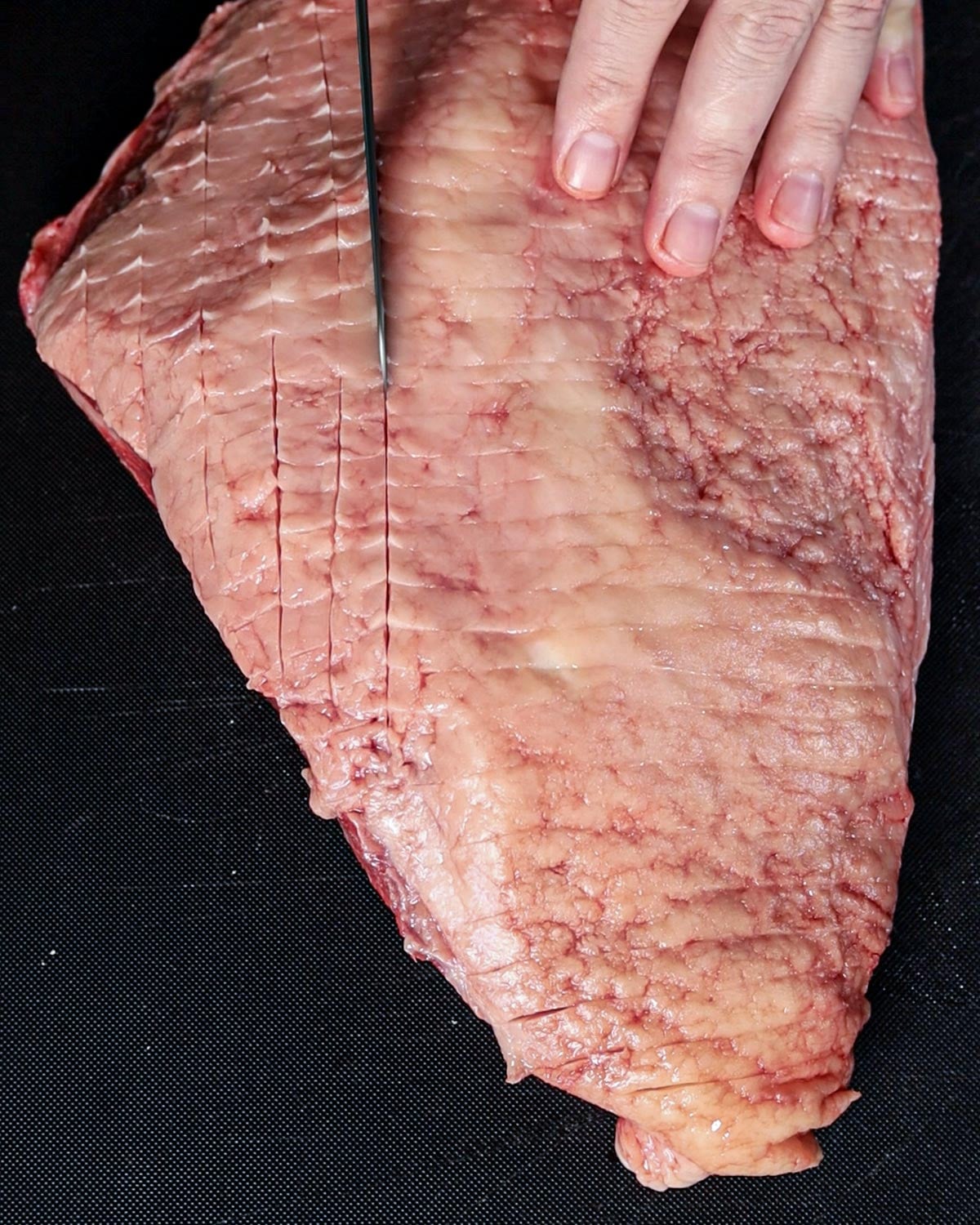
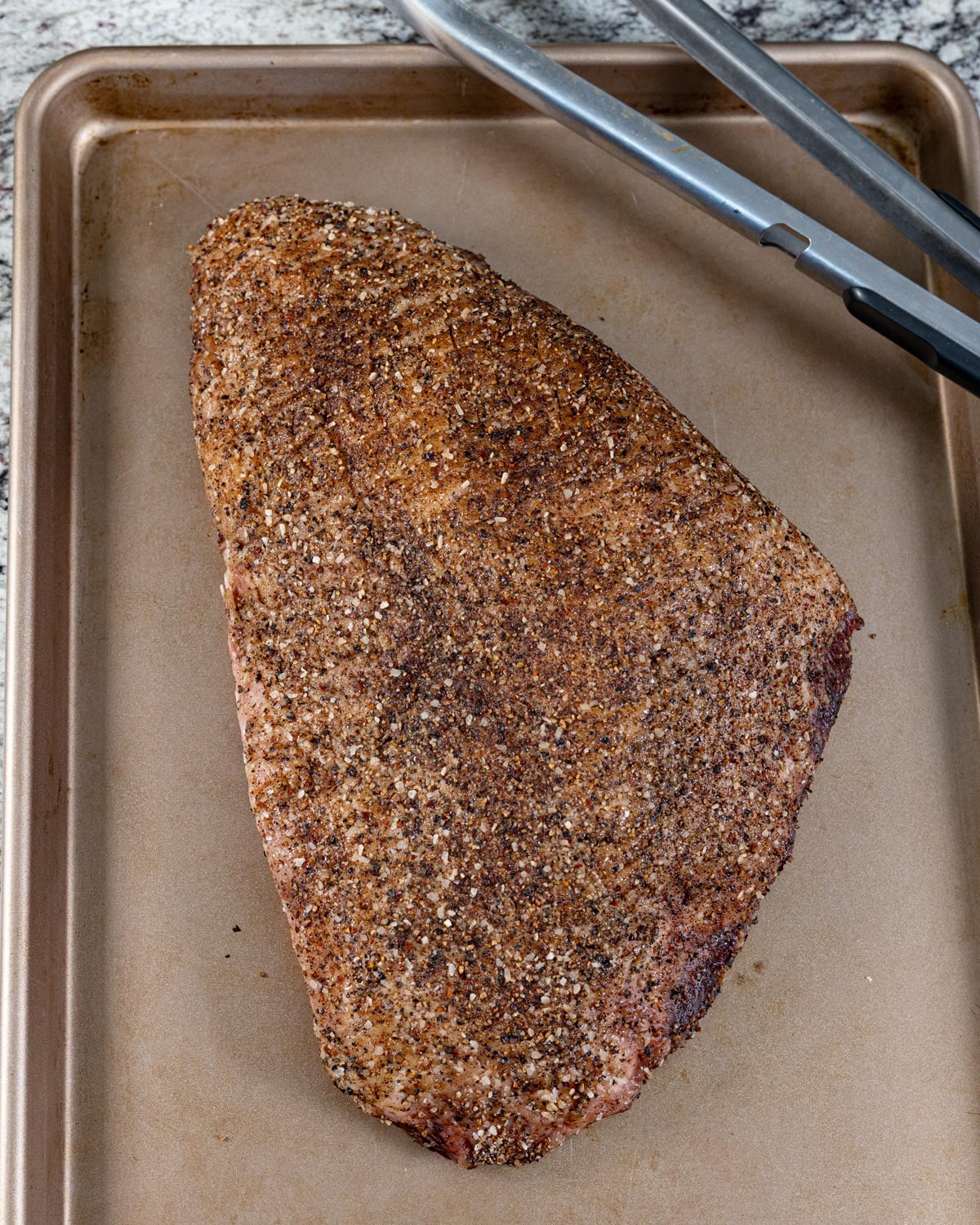
Score the fat cap straight from the fridge. Cold fat is firm and cuts cleanly. At room temperature it gets soft and wobbly, which makes the crosshatch harder to control. Score in a 1/4-inch crosshatch pattern across the entire fat cap.
Seasoning and Dry Brine
The traditional seasoning for picanha is coarse salt, sometimes with fresh garlic or a sofrito rubbed in before grilling.
Grab a bottle of our Canyon Crust Beef Seasoning for the ultimate crust. It has a coarse mix of salt, pepper, and garlic, along with smoky chiles and spices to build a dark, crispy surface.
If you prefer a simple rub with pantry ingredients:
- 1 part coarse kosher salt
- 1 part coarse black pepper (16-mesh preferred)
- 1/4 part granulated garlic
- 1/4 part ancho chile
A binder is not necessary. If you want one, Worcestershire sauce or hot sauce both work. Avoid oil — it creates a barrier between the seasoning and the fat cap.
Once seasoned, place the picanha fat side up on a wire rack and let it rest uncovered in the fridge for at least 45 minutes, up to overnight. The dry brine deepens the seasoning and dries out the fat cap surface. That’s what builds the crust during the sear.
The Reverse Sear Process
Step 1: Smoke the Picanha
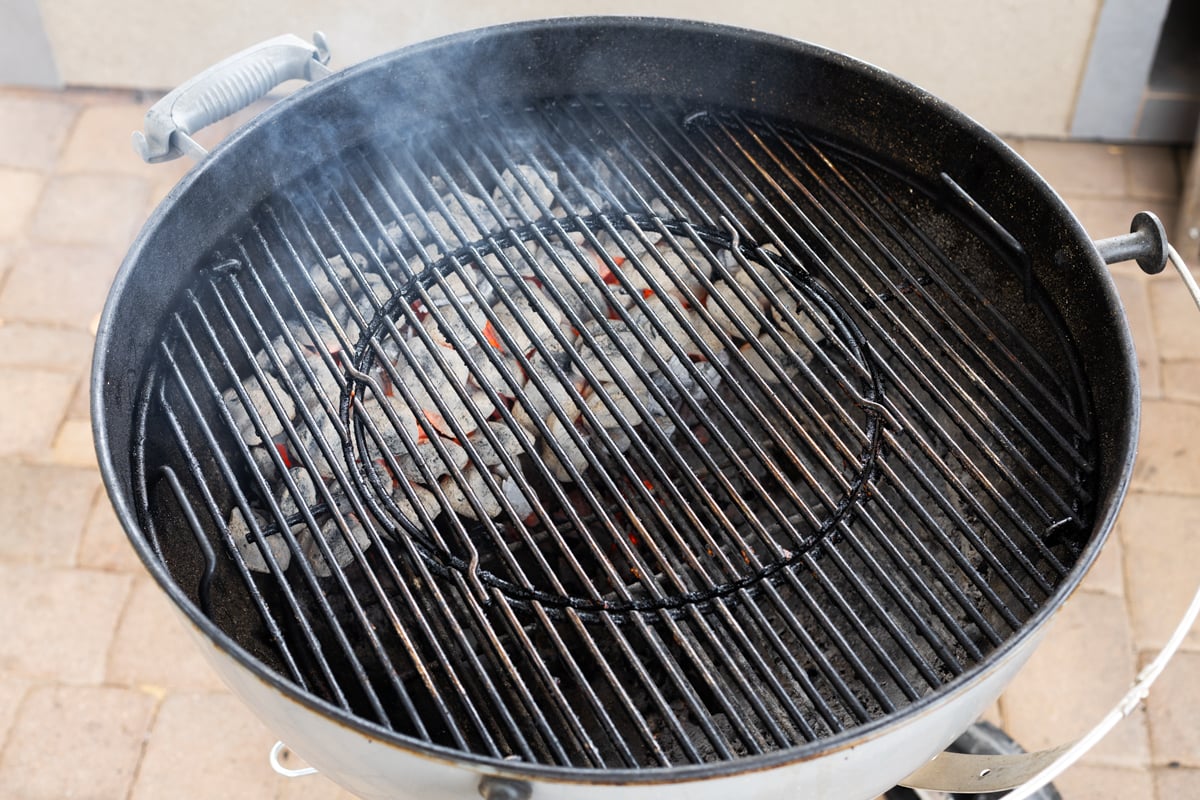
Set your smoker or charcoal grill for indirect cooking, aiming for 250°F. After years of testing, I’ve found that 225°F tends to produce steaks that are not as juicy.
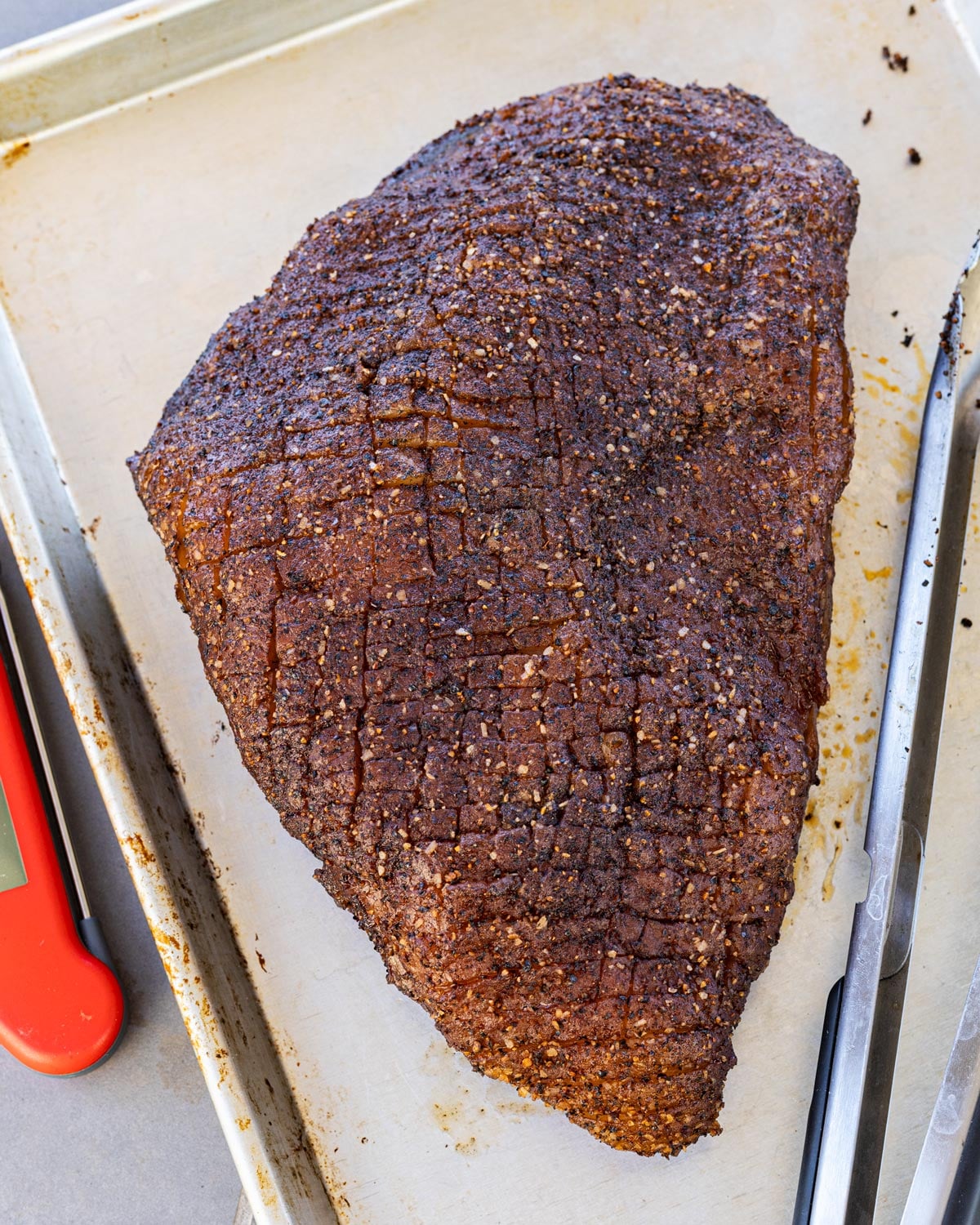
Place the picanha on the indirect side with the fat cap facing up. Smoke for at least an hour, or until the internal temperature is approaching your target. Times will vary based on the size of the roast. Make sure to use a quick-reading temperature probe.
Charcoal grill: Rotate the picanha during the smoking process to ensure even cooking. This matters more on a kettle than on an offset or pellet grill.
Keep the fat cap up throughout the smoke phase. The fat is soft at this stage and can tear easily if you grip it hard with tongs.


Step 2: Sear the Picanha
Remove the picanha from the smoker when it hits the target temperature from the chart above.
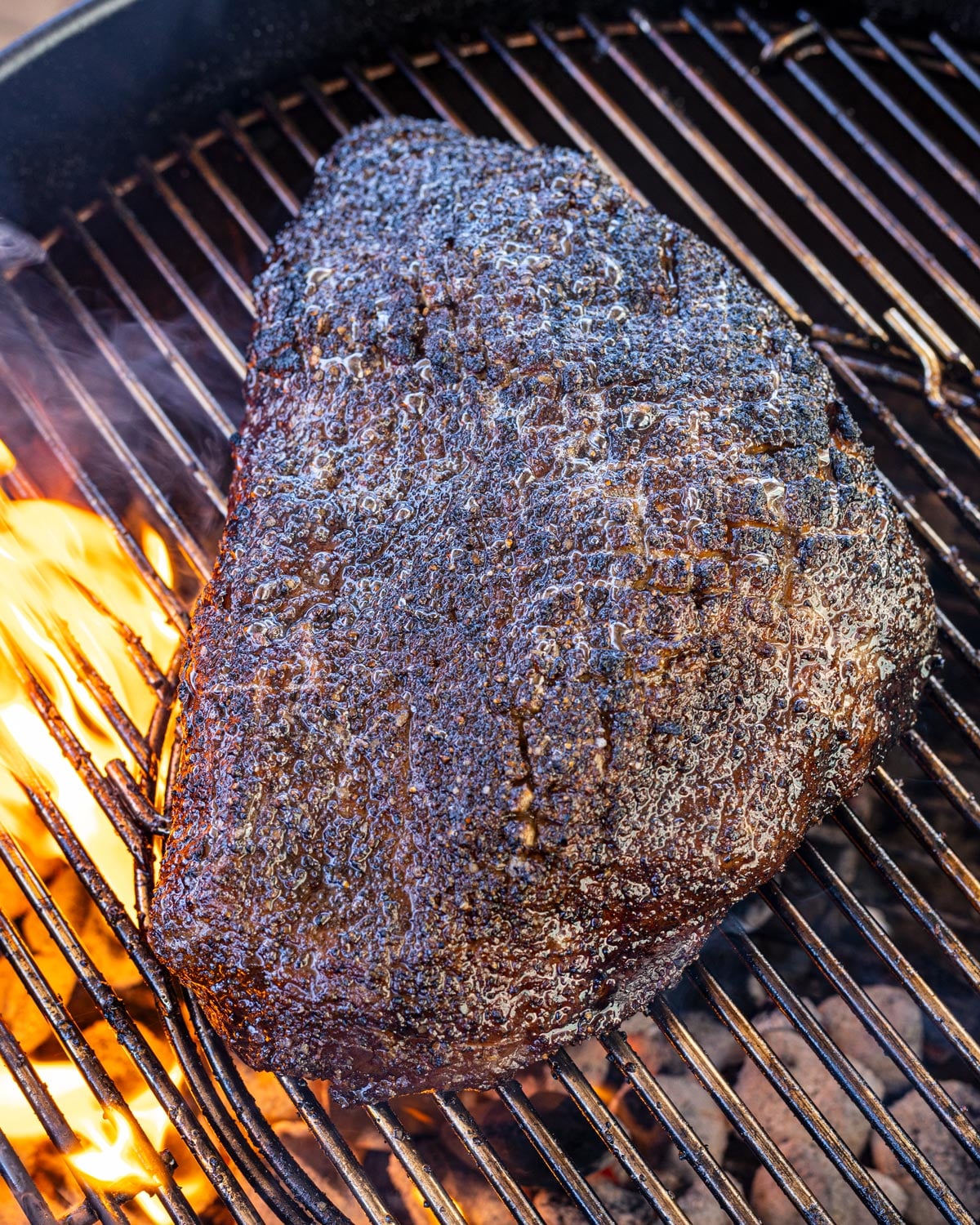
Prepare the grill for direct searing over open flame. A skillet won’t give you even contact on the fat cap. You need the flame to build the crust across the whole surface.
Sear and keep flipping. Allow each side about 2 minutes, flip, and repeat. Watch the internal temperature with your thermometer probe. The fat cap will cause flare-ups, so stay close and stay in control.
Step 3: Rest and Slice
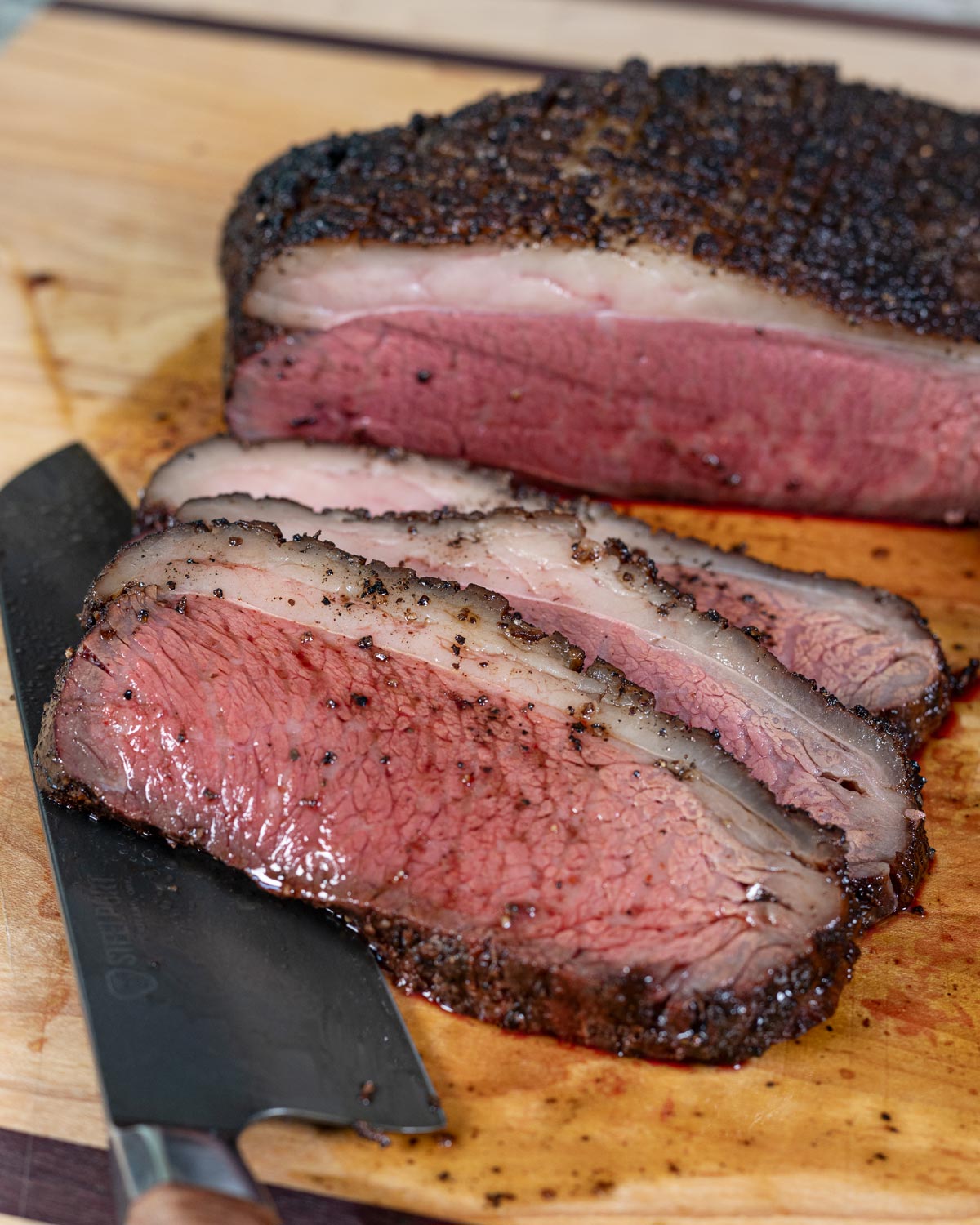
Pull the picanha off the heat and let it rest for 15–20 minutes before slicing. Because you pulled it early and seared quickly, there’s less carryover heat to manage than a traditional roast. The rest is still important. It lets the juices redistribute before you cut into it.
Slice against the grain on a slight bias. Picanha has a curved grain, so orient the roast on the cutting board and identify the direction before you start cutting. Thin slices (1/4 inch) for sandwiches, thicker (1/2 inch) for plating.
Pro Tips from the Pit
- Handle the fat cap gently. Use tongs, but don’t grip hard. The fat cap can tear during the sear if you’re aggressive with it.
- Watch for flare-ups. The fat cap will cause flames. Keep a close eye and move the roast if one side is taking too much heat.
- Pull it early. Don’t cook all the way to your finished temperature. Pull a few degrees short. The picanha will continue to climb as it rests.
What to Serve With Picanha
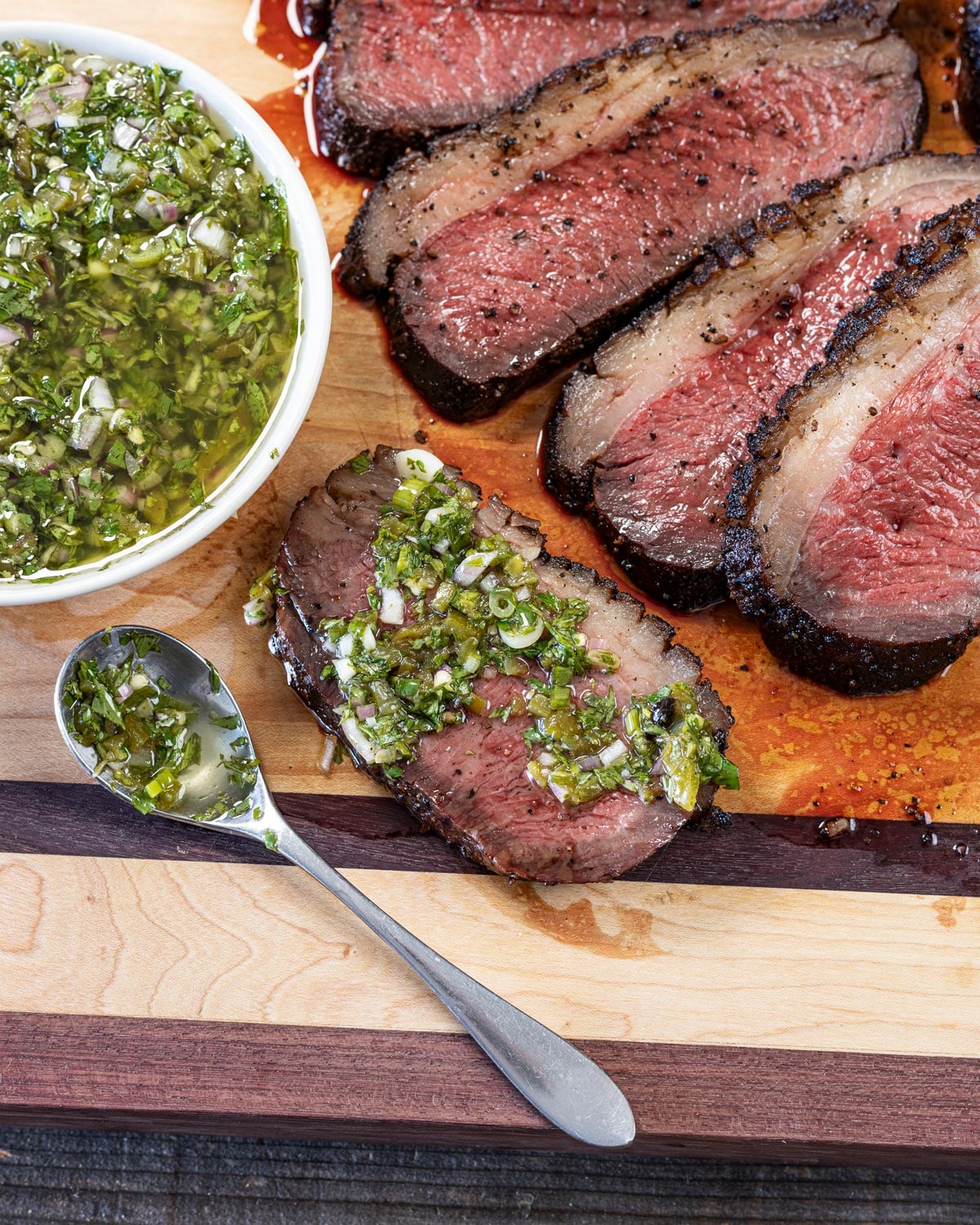
The classic pairing is chimichurri. Something bright and acidic cuts through the fat cap and lifts the beef. Here’s what works:
- Classic Chimichurri: the traditional match. Fresh parsley, garlic, red wine vinegar. Make it the day before so the flavors have time to develop.
- Red Chimichurri: roasted red pepper, chipotle, smoked paprika. Richer and smokier. Good when you want the sauce to stand up to a heavy bark.
- Hatch Chile Chimichurri: the Sonoran angle. Buttery Hatch chiles, scallions, lime. Best in season (August–September), but worth planning a cook around.
- Restaurant-Style Chipotle Salsa: thinner and punchier. Good if you want something with more heat and less body.
- Pickled Mustard Seeds: underrated on beef. The brine cuts fat the same way chimichurri does, just differently.
Frequently Asked Questions
Smoke picanha at 250°F. Lower than 225°F produces a less juicy result and takes significantly longer. Pull the roast off the smoker when it hits your target internal temp (115°F for medium rare), then sear immediately over direct flame to finish.
For a 3-pound picanha at 250°F, plan on 60–90 minutes in the smoker to reach 115°F internal (medium rare target), then 8–10 minutes of active searing over direct flame. Rest for 10–15 minutes before slicing. Total time from fire to table is about 2 to 2.5 hours.
Yes. Never remove the fat cap on picanha. It bastes the leaner muscle below during cooking and crisps into a hard crust during the sear. If a butcher has already trimmed it off, find a different source. A trimmed picanha is just an expensive top sirloin roast.
Slice against the grain, on a slight bias. Picanha has a curved grain. Orient the roast on the cutting board, identify the grain direction, and cut across it. Slicing with the grain will produce chewy results regardless of how precisely you cooked it. Thin slices (1/4 inch) for sandwiches, thicker (1/2 inch) for plating.
Both are similar in size and beef flavor, and both suit the reverse sear method. The difference is the fat cap. Picanha has a thick cap of fat that stays on during cooking and is part of the eating experience. Tri-tip is leaner and more uniform. If you want a fatty, self-basting roast, picanha. If you prefer a leaner cut with more even texture, tri-tip.
Most specialty butchers carry picanha, and Brazilian meat markets almost always have it. In mainstream grocery stores, look for it labeled as sirloin cap or top sirloin cap. Online, Snake River Farms, Capital Farms, and several Brazilian meat suppliers ship whole roasts. Regardless of source, confirm the fat cap is intact and untrimmed before ordering.
Try It and Tag Us
Tried this recipe? Leave a star rating and comment below. It genuinely helps other people find it, and I read every single one. Tag us on Instagram when you do.

Reverse Seared Picanha
Whole picanha smoked at 250°F then seared over direct flame. Crispy fat cap, pink interior, and a bark worth slicing through.
- Total Time: 2 hours 30 minutes
- Yield: About 6-8 1x
Ingredients
- 1 picanha roast, about 3–4 pounds
- 3 tablespoons Canyon Crust Beef Seasoning, more as needed
Instructions
- Score the fat cap straight from the fridge. Cut a 1/4-inch crosshatch pattern across the entire surface.
- Season generously on all sides. Place fat side up on a wire rack and dry brine uncovered in the fridge for at least 45 minutes, up to overnight.
- Set your smoker or grill for indirect cooking at 250°F. Smoke the picanha fat cap up for 60–90 minutes until it reaches your target internal temperature (115°F for medium rare).
- Prepare the grill for direct searing over open flame. Sear the picanha, flipping every 2 minutes, until the crust is set and internal temperature hits 125–130°F for medium rare.
- Rest for 10-15 minutes. Slice against the grain on a slight bias and serve immediately.
Notes
- Score the fat cap cold. Room temperature fat is too soft to cut cleanly.
- If you want a binder, use Worcestershire sauce or hot sauce. Avoid oil between the seasoning and the fat cap.
- Watch for flare-ups during the sear. The fat cap will cause flames. Stay close and move the roast if one side is taking too much heat.
- For a full doneness temperature guide, see the chart in the post above.
- Prep Time: 10 minutes
- Dry Brine (optional): 45 minutes
- Cook Time: 90 minutes
- Category: Beef
- Method: Grilling, Reverse Sear
- Cuisine: American BBQ, Brazilian
- Diet: Gluten-Free
Nutrition
- Serving Size:
- Calories: 227
- Sugar: 0.3 g
- Sodium: 326.4 mg
- Fat: 6 g
- Carbohydrates: 1.9 g
- Protein: 38.1 g
- Cholesterol: 100.5 mg

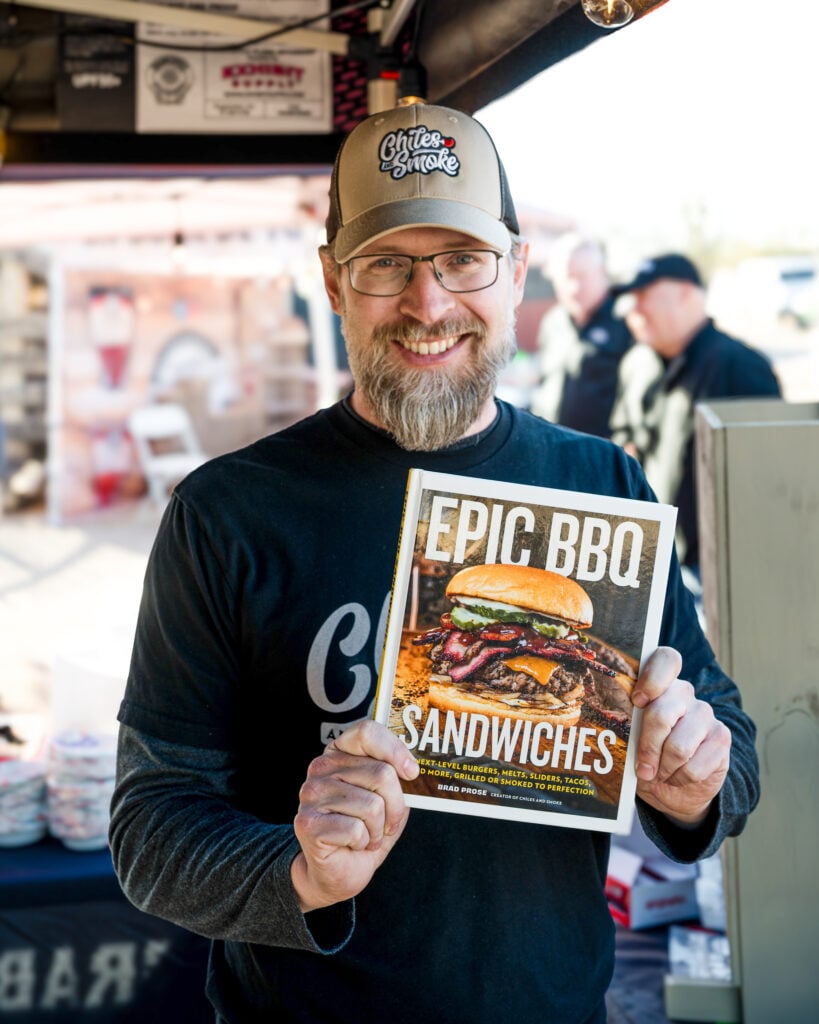
Brad Prose has been crafting recipes over live fire for 20 years. He’s the author of two cookbooks, Chiles and Smoke and Epic BBQ Sandwiches, and the creator of the original smash burger taco, as credited by the Washington Post, TODAY Show, Good Morning America, and Food Network. Brad is the force behind Chiles and Smoke, the home of Sonoran BBQ: bold flavors built around chiles, smoke, and the traditions of the American Southwest. Follow along on Instagram, YouTube, and Facebook.


Best view i have ever seen !