
Adobo Sauce
Last tested July 2026
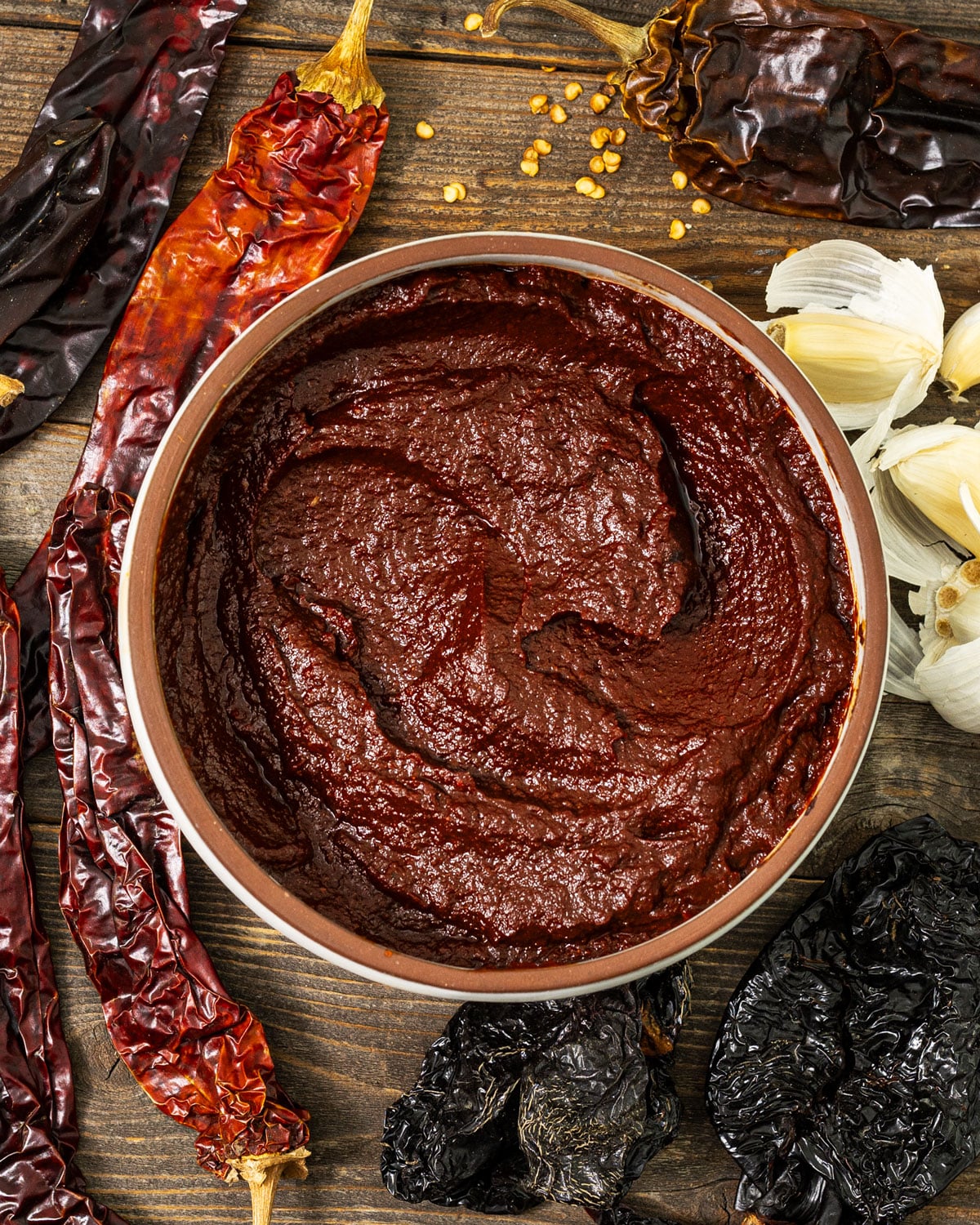
Adobo sauce is one of the oldest recipes in my kitchen, and one I keep coming back to. It’s the starting point for homemade chorizo, rich barbacoa, smoky marinades, and even a spoonful stirred into chili, soups, or stews when they need another layer of flavor. Over the years, it’s become one of the cornerstones of how I cook as I’ve learned more about working with dried chiles.
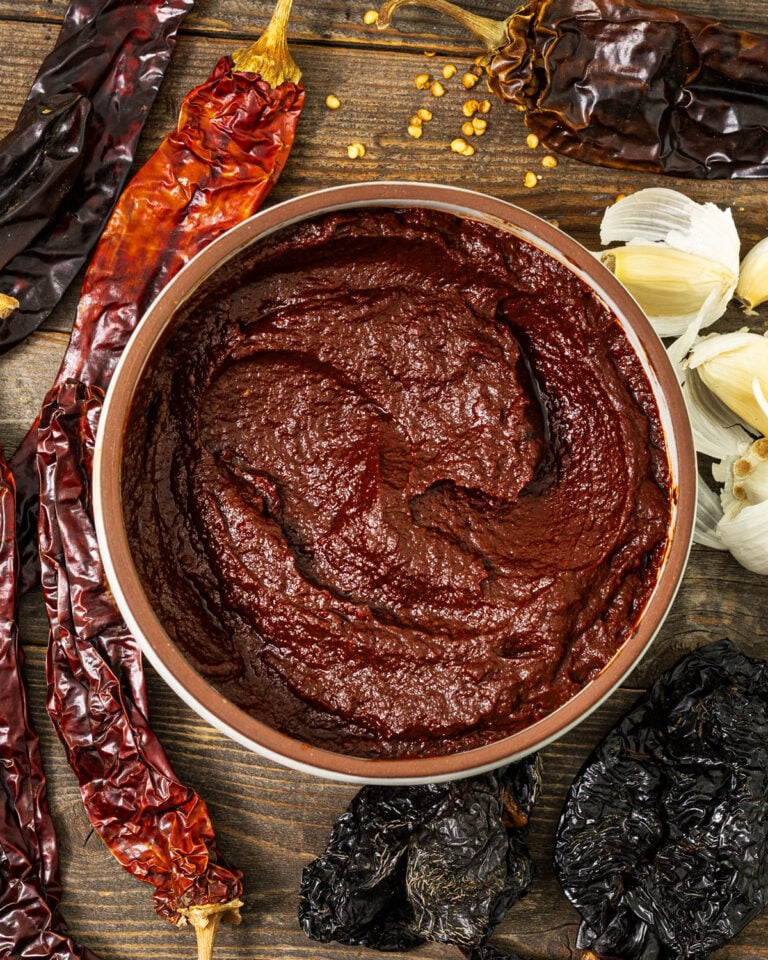
This adobo sauce starts with whole ancho and guajillo chiles, toasted, soaked, and blended with onion, garlic, spices, and apple cider vinegar into a smooth, smoky sauce. It’s rich and balanced, and it rarely makes it to the table on its own. By the time dinner’s ready, it’s usually already stirred into something else.
It became such an important part of my cooking that I included it as one of the foundational recipes in my cookbook, Chiles and Smoke. One batch can become homemade chorizo, marinades, braising sauces, with plenty left over for the freezer.
What Is Adobo Sauce?
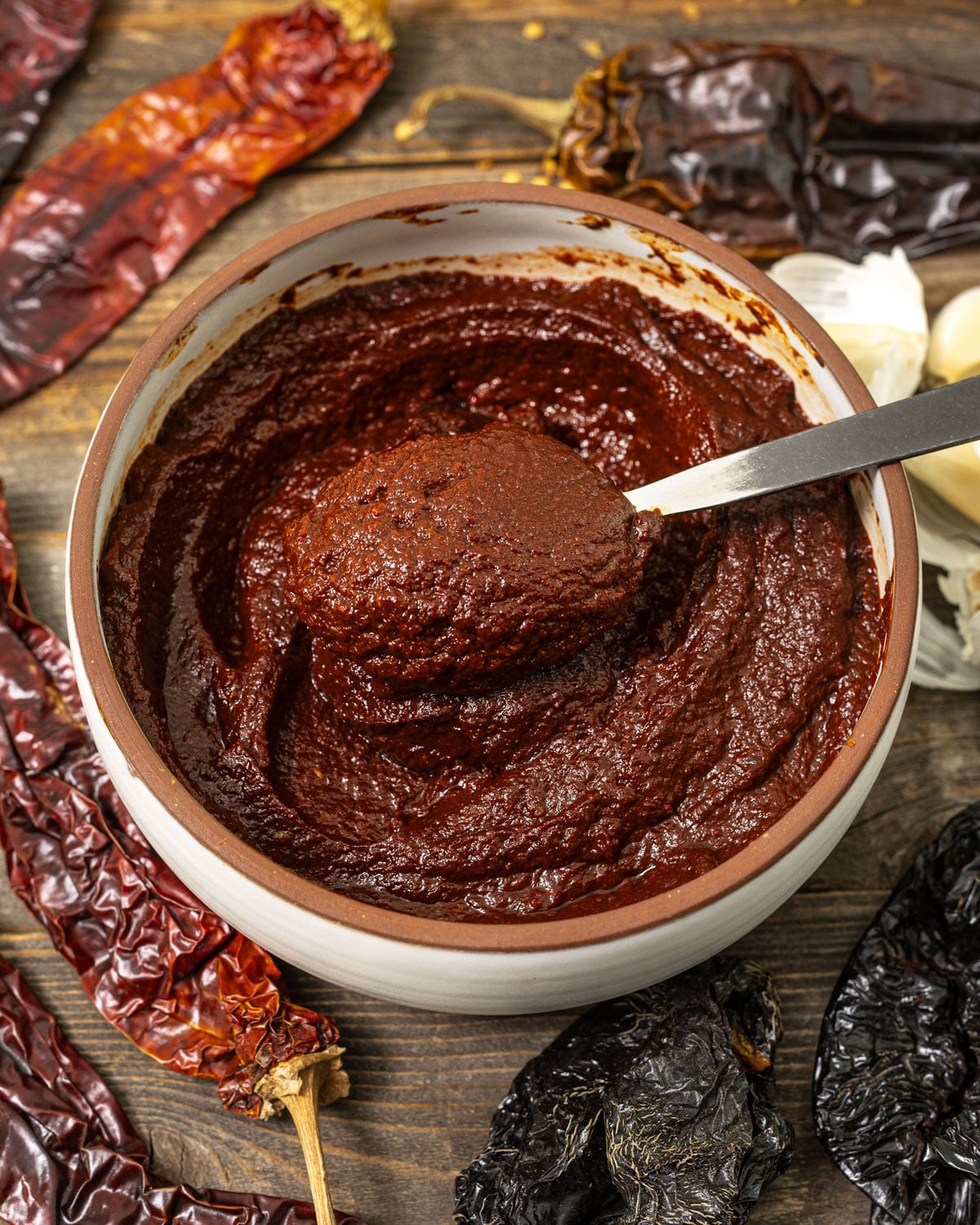
Adobo sauce means different things depending on where you’re cooking. The word adobo generally refers to a marinade or seasoning, but the ingredients and preparation vary by region. In Mexico, it’s commonly a rich sauce built from dried chiles, vinegar, garlic, and spices that’s used to season meats before grilling, roasting, or braising. The famous Filipino adobo is an entirely different dish despite sharing the same name.
This recipe is my take on a Mexican-style red adobo sauce, built from toasted ancho and guajillo chiles for a rich, versatile sauce that’s just as comfortable in Southwest barbecue as it is in traditional Mexican cooking.
What to Use Adobo Sauce For
Here’s where it shows up most in my kitchen:
- Homemade chorizo: mixed straight into ground pork before it hits the pan.
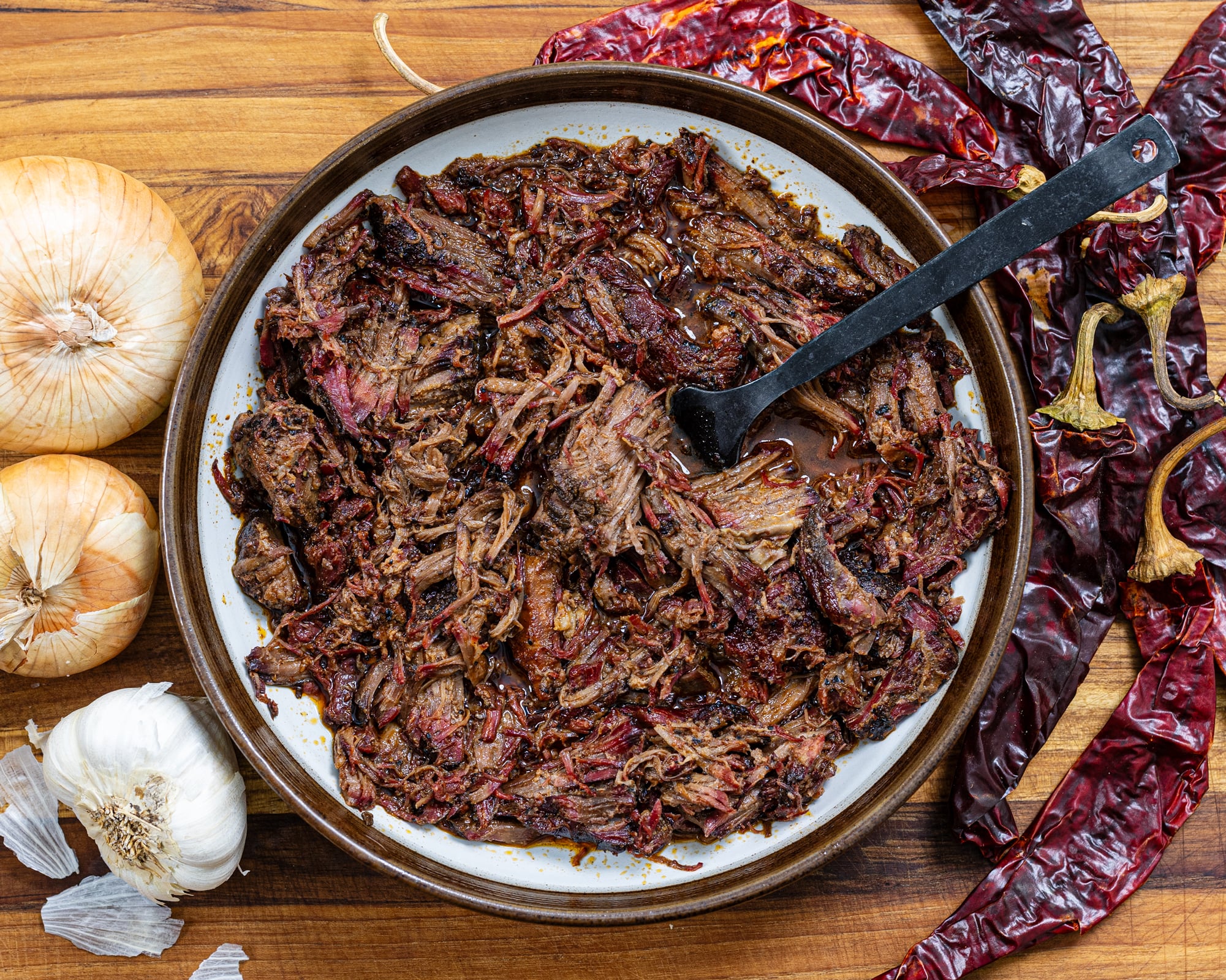
- Birria and barbacoa: the backbone of the braising liquid, along with the meat’s own fat and stock.
- Marinades: for pork shoulder, chicken thighs, or skirt steak before they go on the grill or in the smoker.
- Smoked meats: brushed on partway through a cook for color and a second layer of smoke flavor.
- Chili, soups, and stews: a spoonful stirred in when they need another layer of flavor.
Why This Recipe Works
- Whole chiles create deeper flavor. Toasting and soaking ancho and guajillo chiles give the sauce layers of sweetness, smoke, and fruitiness that simply don’t come from starting with powders.
- The sauce is balanced, not overpowering. Enough vinegar to brighten the chiles, enough garlic and spices to round everything out, without any one ingredient taking over.
- One batch becomes multiple meals. Make it once and you’ll have the base for homemade chorizo, barbacoa, marinades, braises, and more waiting in the fridge or freezer.
Key Ingredients
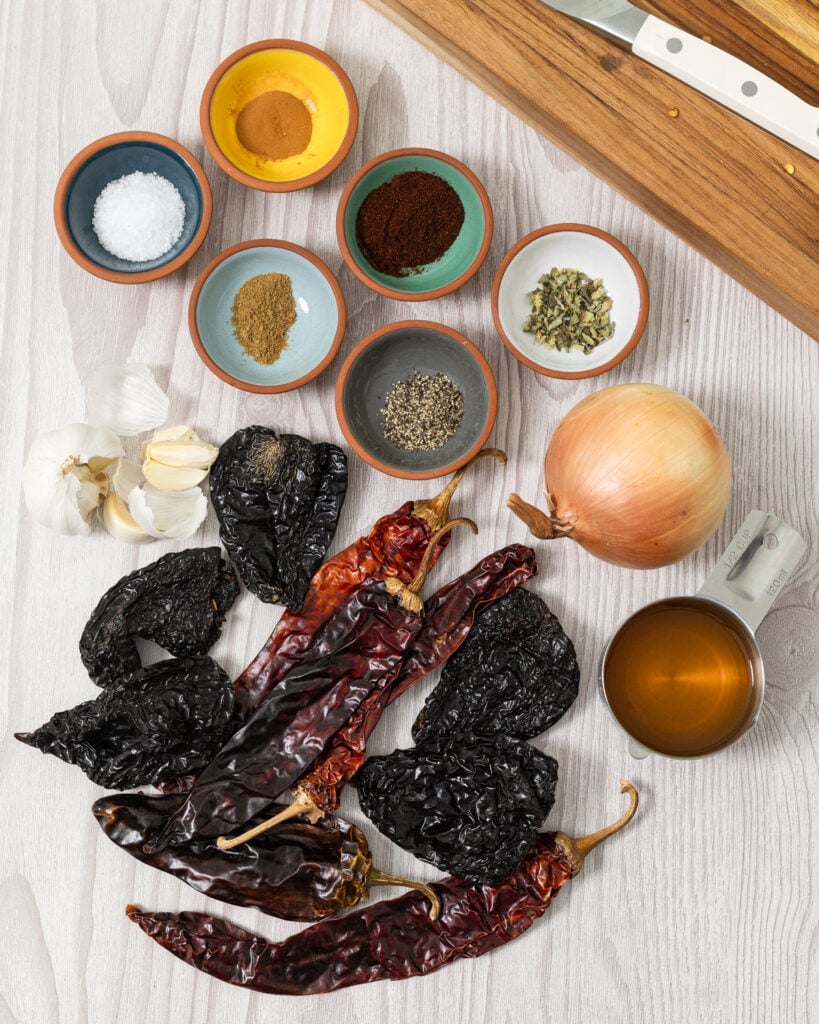
These are the ingredients that give this adobo sauce its signature flavor.
- Ancho chiles: Mild, slightly sweet, and rich. These make up most of the sauce, giving it body, color, and a deep chile flavor without much heat.
- Guajillo chiles: Brighter and a little fruitier than ancho chiles. They balance the richness and add just enough heat to keep the sauce from tasting flat.
- Smoked paprika: Adds another layer of smoke that complements the toasted chiles. It also deepens the color without overpowering the rest of the ingredients.
- Apple cider vinegar: Brightens the sauce and balances the richness of the chiles, making it just as useful in marinades as it is for braises.
- Garlic and onion: Cooked until softened before blending, they build the savory backbone of the sauce and help round out the earthy flavors.
- Mexican oregano, cumin, and cinnamon: A simple combination that adds warmth and depth. The spices support the chiles instead of competing with them.
How to Make Adobo Sauce: Step by Step
Step 1: Toast the Chiles
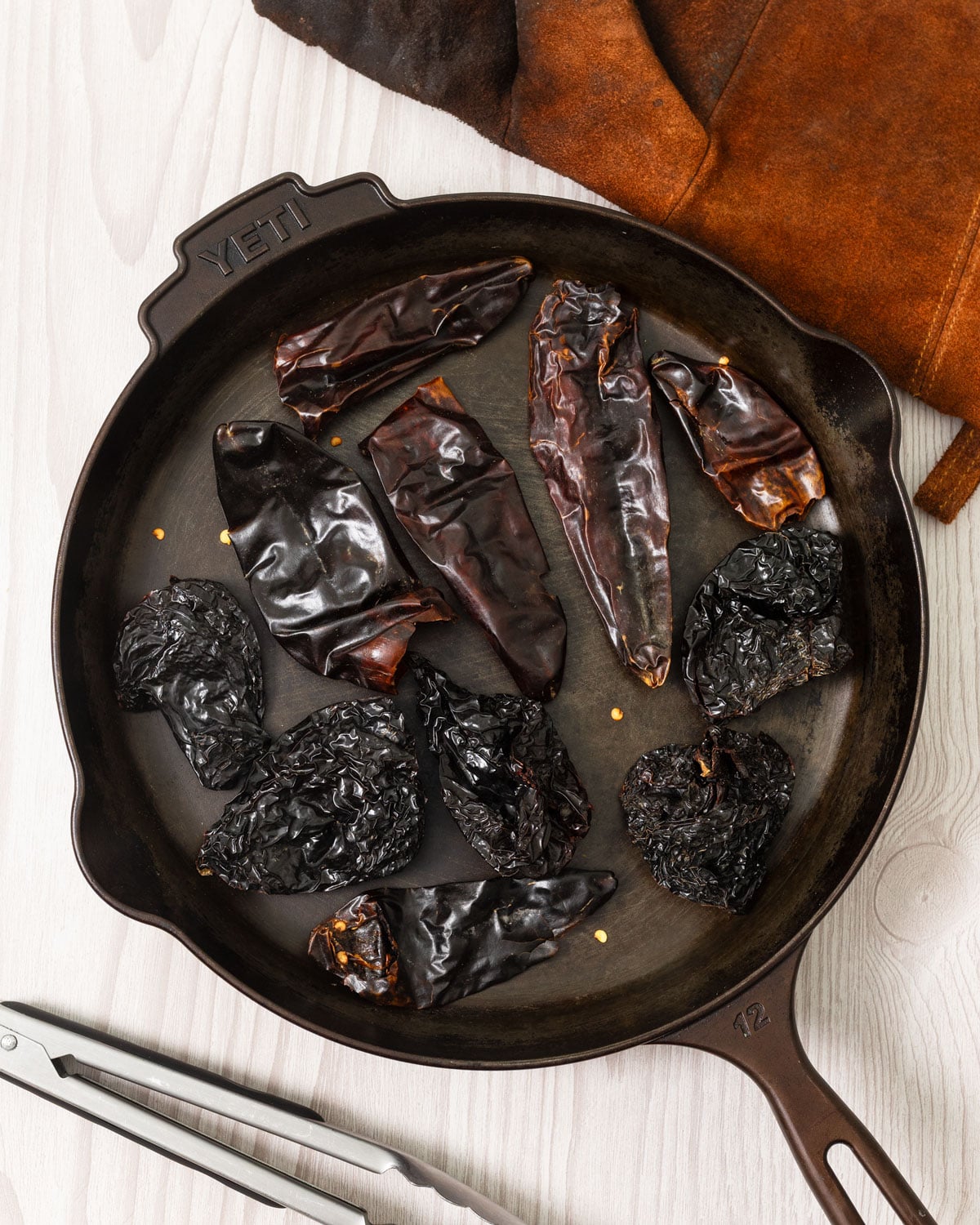
Wipe the ancho and guajillo chiles clean with a damp paper towel, then remove the stems and as many of the seeds as you can. The seeds are one of the main sources of bitterness in the finished sauce.
Toast the chiles in a dry cast iron skillet over medium heat for 30 to 60 seconds per side, just until they’re fragrant and lightly puffed. Watch them closely. Burnt chiles will make the whole sauce bitter, and there’s no fixing it once that happens.
Step 2: Soak the Chiles
Transfer the toasted chiles to a bowl and cover them with hot water. Let them soak for about 20 minutes, until they’re fully softened and pliable. Before draining, reserve some of the soaking liquid. It’s packed with chile flavor and can be used later if the sauce needs thinning.
Step 3: Cook the Onion and Garlic
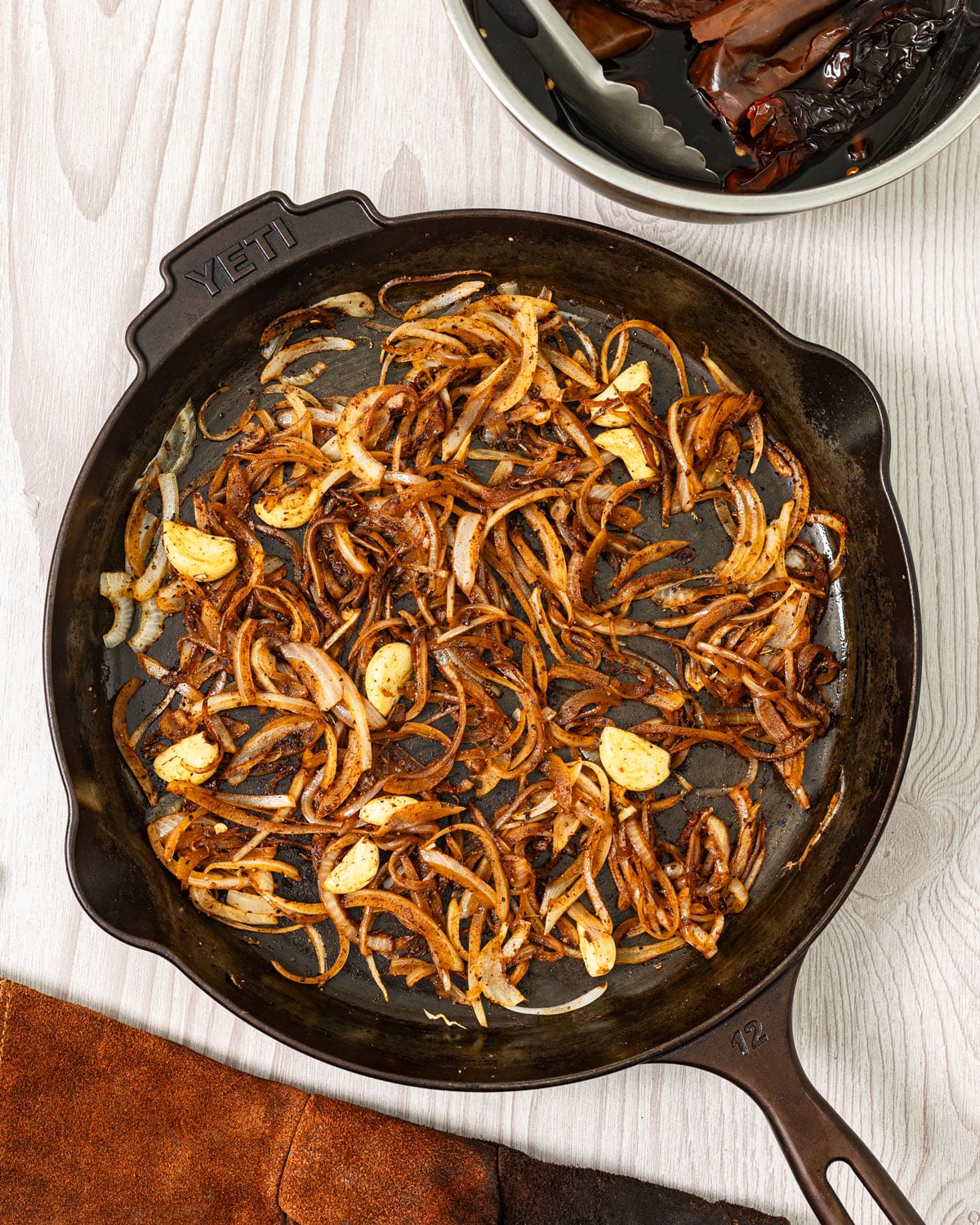
Heat the oil in the same skillet over medium-low heat. Add the onion and whole garlic cloves, stirring occasionally until the onion softens and begins to caramelize, about 8 to 10 minutes. Cooking them together over lower heat keeps the garlic from burning while giving it time to mellow and sweeten.
Step 4: Bloom the Spices
Stir in the smoked paprika, black pepper, Mexican oregano, cumin, cinnamon, and salt. Cook for about 30 seconds, just until fragrant. Blooming the spices in the oil helps their flavors spread evenly throughout the sauce.
Step 5: Blend
Drain the chiles and add them to a high-speed blender along with the onion mixture and apple cider vinegar. The softened chiles usually carry enough moisture that you won’t need any extra liquid to get started.
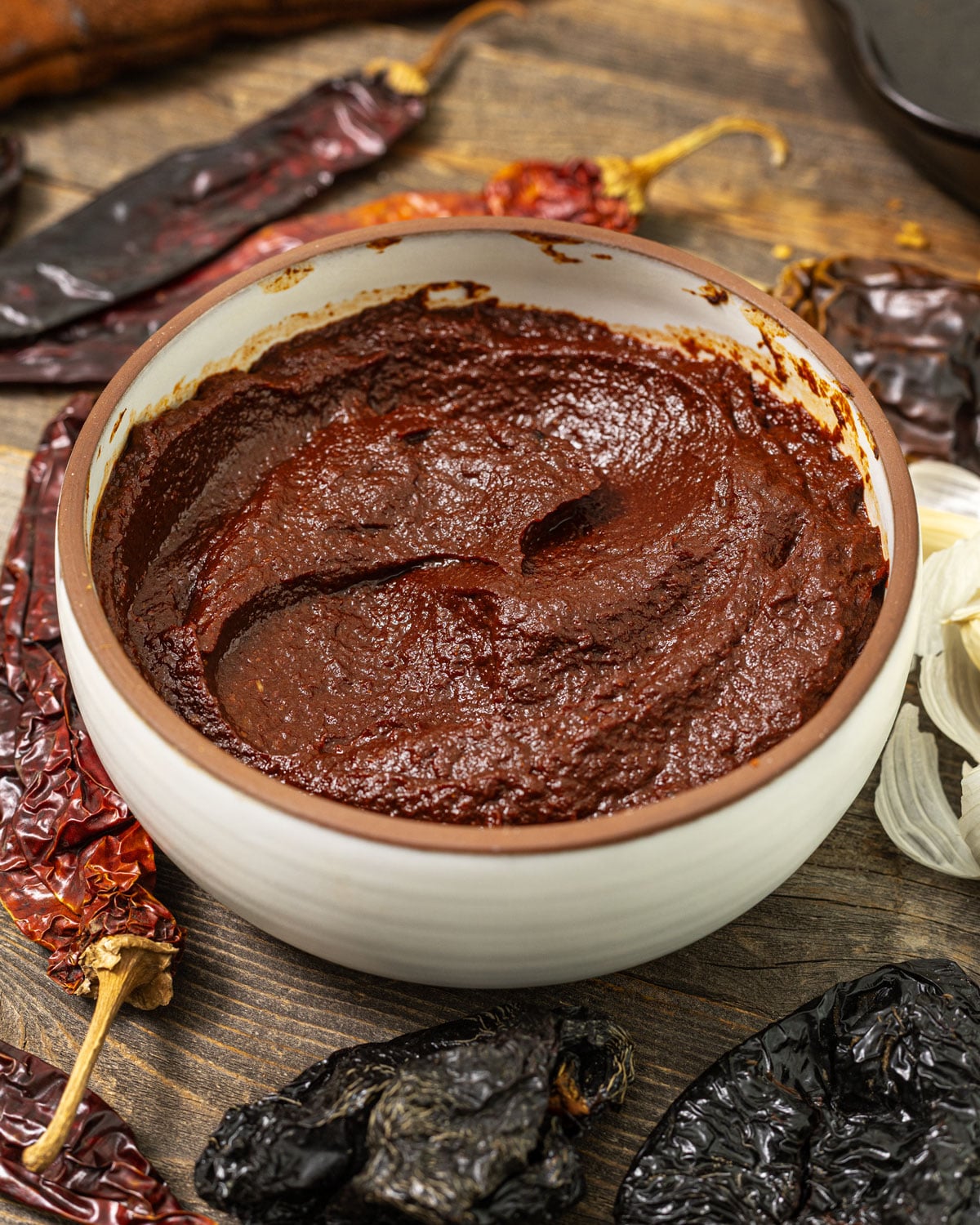
Blend until completely smooth, adding a splash of the reserved soaking liquid only if needed to keep the blender moving. The finished sauce should be thick, about the consistency of ketchup.
Taste the sauce and adjust the salt if needed. Right out of the blender it will look light and airy from the trapped air, but it will settle into a thicker consistency after a few minutes.
Customize Your Adobo
This recipe is mild enough to work with almost anything, but it’s easy to adjust depending on how you plan to use it.
- Smokier: Blend in 1 to 2 chipotle peppers in adobo. They’ll add a deeper smoky flavor along with a little extra heat, creating a bolder version of the sauce.
- Spicier: Add 2 to 4 dried chiles de árbol along with the ancho and guajillo before toasting. They bring a clean, lingering heat without changing the texture of the sauce.
- Tangier: Stir in 1 to 2 tablespoons of apple cider vinegar if you’re using the adobo as a marinade for rich cuts like pork shoulder or beef chuck.
- Sweeter: Mix in 1 to 2 teaspoons of honey or agave syrup when using the adobo as a glaze for ribs or chicken. It softens the vinegar and chile flavors without making the sauce noticeably sweet.
Make-Ahead and Storage
- Refrigerator: Transfer the sauce to a glass jar or other airtight container. I recommend glass because the deep red chiles will stain most plastic containers. The adobo sauce will be the freshest within the first 5 days.
- Freezer: Freezes well for about 3 months. Pour it into an ice cube tray for small portions, or a freezer bag laid flat for larger batches. I almost always have a container of this in the freezer.
Pro Tips from the Pit
- Toast the chiles just until fragrant. About 30 to 60 seconds per side is plenty. If they start smoking or turn black, they’ll add bitterness that carries through the entire sauce.
- Blend longer than feels necessary. An extra minute in the blender is often the difference between a slightly grainy sauce and one that’s silky smooth.
- Keep the salt light. This sauce is meant to be an ingredient, not the finished dish. Most recipes using adobo already have salt, so it’s better to season the meat or final dish to taste instead of making the sauce overly salty.
Frequently Asked Questions
Adobo sauce is a building block for other recipes. Use it to make homemade chorizo, marinate chicken, pork, or beef, stir into braises like barbacoa or birria, or add a spoonful to chili, soups, and stews for another layer of chile flavor.
Adobo sauce is made from toasted dried chiles, in this case ancho and guajillo, blended with sautéed onion, garlic, vinegar, and warm spices like smoked paprika, cumin, and cinnamon. The softened chiles usually provide enough moisture on their own, with reserved soaking liquid added only if needed to thin the sauce.
No. Ancho and guajillo are both mild dried chiles, so this is built for flavor, not heat. See Customize Your Adobo above for ways to add heat and smoke.
About 5 days in the fridge in an airtight container, and about 3 months in the freezer. Freeze it in an ice cube tray for small, easy-to-thaw portions.
More Sauce and Salsa Recipes
- Red Chimichurri Sauce: Another bold, chile-forward sauce for the grill, built for spooning over steak instead of marinating it.
- Hatch Chile Chimichurri Sauce: Swap this in when Hatch season hits and you want a brighter, herb-forward counterpart to the adobo’s smoky depth.
- Hatch Chile Pico de Gallo: A fresh, raw contrast to serve alongside anything you’ve marinated or braised in adobo.
- Charred Salsa Verde: Pairs naturally with the same smoked meats this adobo sauce goes into, tacos, carnitas, barbacoa.
- Creamy Pinto Bean Dip: A good next stop if you’re stirring adobo into beans, this dip uses the same pantry.
Try It and Tag Us
Give this a try the next time you’re making chorizo or marinating something for the grill. Tag us on Instagram when you do. Leave a rating below if this helped.
Adobo Sauce
Rich, smoky homemade adobo sauce made from toasted dried chiles. A versatile Mexican chile paste for chorizo, barbacoa, birria, marinades, and more.
- Total Time: 35 min
- Yield: About 2 cups 1x
Ingredients
- 5 large dried ancho chiles (about 50g), stems and seeds removed
- 4 large dried guajillo chiles (about 25g), stems and seeds removed
- 1 tablespoon avocado oil (or any neutral oil)
- 1 large sweet onion, chopped
- 10 garlic cloves, whole
- 1 tablespoon smoked paprika
- 1 teaspoon black pepper
- 1 teaspoon dried Mexican oregano
- 1 teaspoon ground cumin
- 1/2 teaspoon ground cinnamon
- 1 1/2 teaspoons kosher salt
- 1/3 cup apple cider vinegar
- Reserved chile soaking liquid, as needed
Instructions
- Wipe the dried chiles clean with a damp paper towel, then remove the stems and seeds. Toast them in a dry cast iron skillet over medium heat for 30-60 seconds per side until fragrant and lightly puffed. Watch them closely so they don’t burn.
- Transfer the chiles to a bowl and cover with hot water. Let them soak for about 20 minutes until softened.
- Heat the oil in the same skillet over medium-low heat. Add the onion and whole garlic cloves and cook for 8-10 minutes, stirring occasionally, until the onion is softened and lightly caramelized.
- Stir in the smoked paprika, black pepper, oregano, cumin, cinnamon, and salt. Cook for about 30 seconds until fragrant.
- Drain the chiles, reserving the soaking liquid. Add the softened chiles, onion mixture, and vinegar to a high-speed blender (not a food processor). Blend until completely smooth, adding reserved soaking liquid only as needed to help the blender move, until the sauce is about the consistency of ketchup. No need to strain.
- Taste and adjust the salt if needed. I keep it on the lighter side since this sauce is usually stirred into dishes that already have salt of their own. Use immediately, refrigerate for up to 5 days, or freeze for up to 3 months. Store in glass rather than plastic, since the sauce will stain.
Notes
- Remove the stems and seeds before toasting. The seeds are one of the main sources of bitterness, so removing as many as you can helps keep the sauce smooth and balanced.
- Toast the chiles until fragrant and lightly puffed, not blackened. Burnt chiles will make the entire sauce bitter.
- Use the reserved chile soaking liquid instead of fresh water if the sauce needs thinning. It adds chile flavor instead of diluting it.
- Adjust the ratio of ancho to guajillo chiles to change the flavor. Use more guajillo for a brighter, slightly spicier sauce, or more ancho for a sweeter, earthier flavor.
- Any neutral cooking oil works well. Avocado oil is my preference, but canola or vegetable oil are great substitutes.
- Prep Time: 15 min
- Cook Time: 20 min
- Category: Sauces & Salsas
- Method: Blending
- Cuisine: Mexican
- Diet: Gluten-Free, Vegan
Nutrition
- Serving Size: 2 tablespoons
- Calories: 47
- Sugar: 0.6 g
- Sodium: 122.7 mg
- Fat: 1.9 g
- Carbohydrates: 7.3 g
- Protein: 1.6 g
- Cholesterol: 0 mg

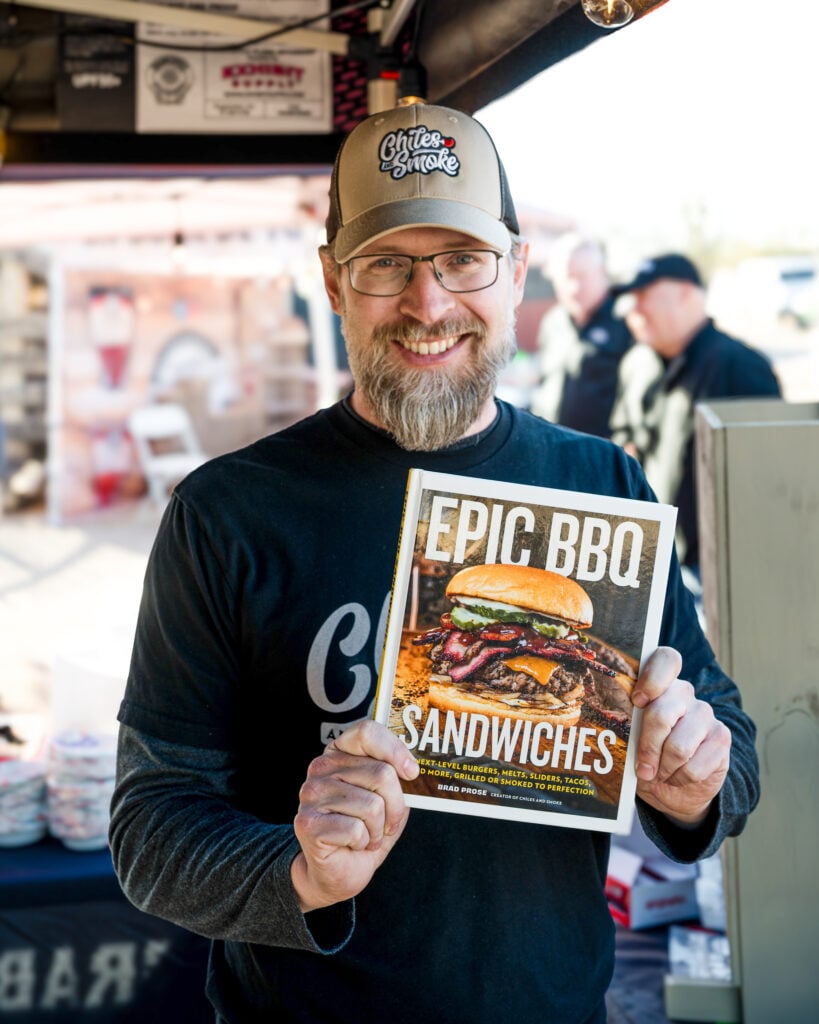
Brad Prose has been crafting recipes over live fire for 20 years. He’s the author of two cookbooks, Chiles and Smoke and Epic BBQ Sandwiches, and the creator of the original smash burger taco, as credited by the Washington Post, TODAY Show, Good Morning America, and Food Network. Brad is the force behind Chiles and Smoke, the home of Sonoran BBQ: bold flavors built around chiles, smoke, and the traditions of the American Southwest. Follow along on Instagram, YouTube, and Facebook.


This sounds delicious! Would this adobo sauce be good for arroz con pollo or do you have another sauce recipe that would be better?
Thank you❣️
Absolutely it would! The adobo is a great base for that